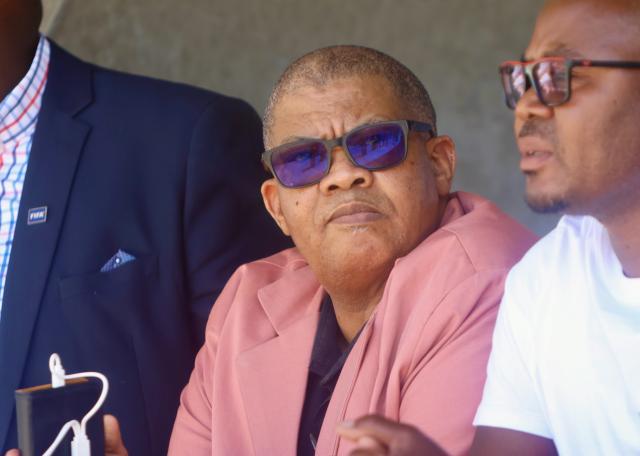
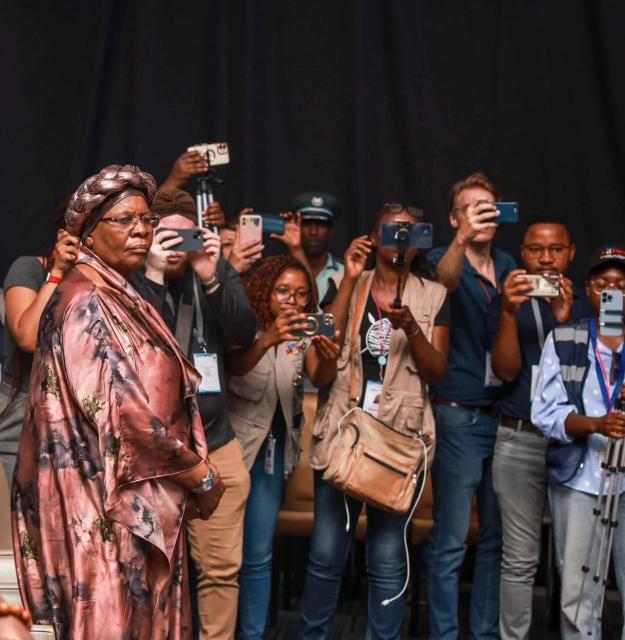
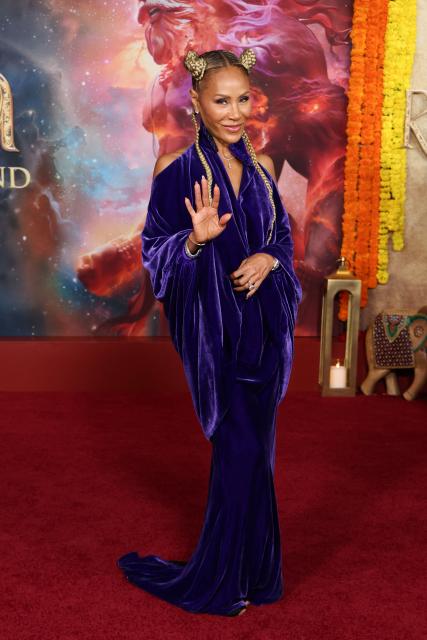
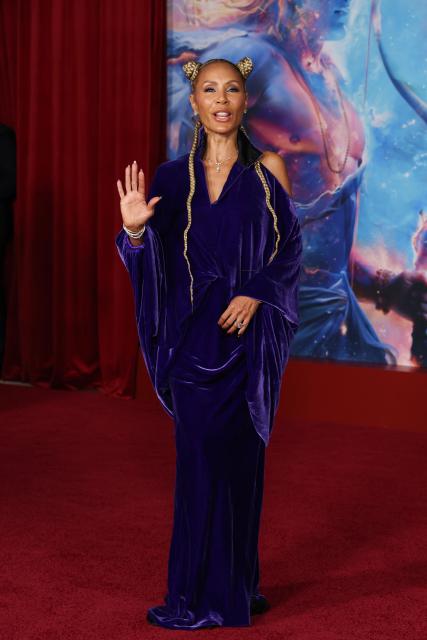
WINDHOEK, 07 MAY 2026 - Minister of Environment, Forestry and Tourism Indileni Daniel (L) and the Minister of Home Affairs, Immigration, Safety and Security Lucia Iipumbu (R) officially launched the National Customer Service Excellence Initiative to enhance customer service standards at all ports of entry. (Photo: Contributed)
TSUMEB, 05 May 2026 - Members of the Namibian Police Force and Tsumeb Municipality addressing residents that have occupied land illegally at Kuvukiland location. (Photo: Contributed)
WINDHOEK, 06 May 2026 - Newly appointed Capricorn Private Wealth Head, Elize Smith. (Photo: Contributed)
WINDHOEK, 06 May 2026 - Newly appointed CEO of the Chamber of Mines of Namibia, Fabian Shaanika. (Photo: Contributed)
WINDHOEK, 06 May 2026 - Deputy Minister of Industries, Mines and Energy Gaudentia Kröhne (C) and stakeholders of the African Green Industries (AGI) Summit launch pose for a photo. (Photo by: Molly Weyulu) NAMPA
WINDHOEK, 05 May 2026 - A bull at the Namibia Genetics Stud Livestock Auction in Windhoek. (Photo: Contributed)
OSHAKATI, 05 May 2026 - Deputy Minister of Agriculture, Fisheries, Water and Land Reform, Ruthy Masake, adressing the Oshana youth during the agricultural engagement on Monday held in Oshakati. (photo: contributed)
NDIYONA, 05 May 2026 - Newly recognised Hompa of the VaGciriku community, Bartholomeus Aruvita Kayoka, greets members of the public after he was announced as the new Hompa at Ndiyona on Tuesday. (Photo by: Sawi Hausiku) NAMPA
(FILES) French captains French Etienne Mattler(R)and Italian Giuseppe Meazza greet each other before the quarter-final match France - Italy of the World Cup, on June 12, 1938, at the Stade olympique Yves-du-Manoir, in Colombes. France hosted the 1938 World Cup against a backdrop of pre-war tensions in Europe. Austria, which had a strong national team, did not attend the tournament despite having qualified, as Adolf Hitler’s expansionist ambitions began with them. Spain did not attend either; it was ravaged by a civil war (1936–1939). (Photo by AFP)
(FILES) Uruguayans Pedro Cea, Hector Scarone and Hector Castro (from L) celebrate after Uruguay beat Argentina 4-2 in the first-ever World Cup soccer final in Montevideo on July 30, 1930. The FIFA World Cup, the most important and influential tournament, took its first steps on 21 May 1904, when the Federation Internationale de Football Association (FIFA) was founded in Paris by seven European countries. However, it would be more than a quarter of a century before the first edition of what is now known as the World Cup became a reality. The First World War (19141918) put a stop to plans for a global tournament. Ten years later, the aspirations of the footballing community of that era came to fruition with the first World Cup in Uruguay. (Photo by AFP)
(FILES) Duce Benito Mussolini (C, in white) poses with the Italian national soccer team on July 1, 1938 during a reception at the Palazzo Venezia in Rome. In 1934, the first World Cup in Europe was held in Italy. “May God help him if he fails,” the dictator Benito Mussolini is said to have warned the Italian manager, Vittorio Pozzo. Il Duce wanted propaganda for his regime and knew exactly how to get it: by organising a World Cup... and winning it. (Photo by AFP)
(FILES) German national soccer team players execute the nazi salute, on June 4, 1938 at the Parc des Princes stadium in Paris, before the start of their World Cup match against Switzerland. (From L : Hans Mock, Rudi Raftl, Willi Schmaus, Jupp Gauchel, Rudi Gellesh, Ernst Lehner, Paul Janes, Willi Hahnemann, Anderl Kupfer, Hans Pesser, Albin Kitzinger). France hosted the 1938 World Cup against a backdrop of pre-war tensions in Europe. Austria, which had a strong national team, did not attend the tournament despite having qualified, as Adolf Hitler’s expansionist ambitions began with them. Spain did not attend either; it was ravaged by a civil war (1936–1939). (Photo by AFP)
(FILES) Swedish goalkeeper Kalle Svensson dives to block the ball in front of Brazilian forward Ademir on July 9, 1950 in Rio de Janeiro during their World Cup final pool soccer match. Ademir scored four goals as Brazil beat Sweden 7-1. The world was beginning to recover from the devastation of the Second World War (1939–1945) when FIFA decided in 1946, during a congress in Luxembourg, to hold the fourth World Cup, a trophy which from that moment on came to be known as the Jules Rimet Cup in honour of the tournament’s founder. Only one country put itself forward to host the tournament: Brazil, where football had already become a national passion. The Brazilian authorities decided to impress by building the world’s largest stadium in Rio de Janeiro, the Maracana, a venue with a capacity of 200,000. (Photo by AFP)
(FILES) The Brazilian national soccer team poses before its World Cup first round match against Mexico on June 24, 1950 in Rio de Janeiro. (Standing, from L : Ely Do Amparo, Juvenal, Augusto, Danilo Alvim, Barbosa, Bigode; front row, from 2nd L : Maneca, Ademir, Baltazar, Jaпr, Friaca). The world was beginning to recover from the devastation of the Second World War (1939–1945) when FIFA decided in 1946, during a congress in Luxembourg, to hold the fourth World Cup, a trophy which from that moment on came to be known as the Jules Rimet Cup in honour of the tournament’s founder. Only one country put itself forward to host the tournament: Brazil, where football had already become a national passion. The Brazilian authorities decided to impress by building the world’s largest stadium in Rio de Janeiro, the Maracana, a venue with a capacity of 200,000. (Photo by AFP)
(FILES) Brazilian forward Ademir (C) watches the ball go into the net as he scores his team's opening goal past Swedish goalkeeper Kalle Svensson during their World Cup final round match on July 9, 1950 at Maracana stadium in Rio de Janeiro. The world was beginning to recover from the devastation of the Second World War (1939–1945) when FIFA decided in 1946, during a congress in Luxembourg, to hold the fourth World Cup, a trophy which from that moment on came to be known as the Jules Rimet Cup in honour of the tournament’s founder. Only one country put itself forward to host the tournament: Brazil, where football had already become a national passion. The Brazilian authorities decided to impress by building the world’s largest stadium in Rio de Janeiro, the Maracana, a venue with a capacity of 200,000. (Photo by AFP)
(FILES) Giuseppe Meazza (C) holding the flag and the Italian football team listen to the national anthem before the match of the World Cup's 1934 in Italy. In 1934, the first World Cup in Europe was held in Italy. “May God help him if he fails,” the dictator Benito Mussolini is said to have warned the Italian manager, Vittorio Pozzo. Il Duce wanted propaganda for his regime and knew exactly how to get it: by organising a World Cup... and winning it. (Photo by AFP)