WINDHOEK, 10 October 2026 - An architectural design of the proposed Windhoek District Hospital in the Havana suburb. Project proposals and preliminary bulk works are underway, with major construction set to begin in 2027. (Photo: Contributed) NAMPA.
WINDHOEK, 07 October 2026 - Manager of Public Relations and Media Operations Corporate Engagement & International Relations University of Namibia Simon Namesho. (Photo contributed)
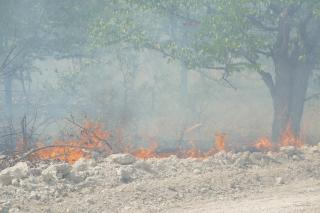
Otjozongombe, 07 October 2026- A wildfire burns across grazing areas in the Otjozongombe area of the Opuwo Rural Constituency in the Kunene Region on Wednesday. (Photo: Kaviveterue Virere) NAMPA
WINDHOEK, 06 October 2026- Omusati Regional Commander Ismael Basson. ( Photo by Eba Kandovazu). NAMPA
WINDHOEK, 06 October 2026- Oshana Regional Commander, Andreas Shilelo. (Photo contributed). NAMPA
GABORONE, 05 October 2026- National U23 player while warming up ahead of their match against Angola during the 2028 Olympic Qualifiers in Gaborone, Botswana. (Photo: contribute) NAMPA
GABORONE, 05 October 2026- National U23 player Brago Rukoro while warming up ahead of their match against Angola during the 2028 Olympic Qualifiers in Gaborone, Botswana. (Photo: contributed) NAMPA
GABORONE, 05 October 2026- National U23 player while warming up ahead of their match against Angola during the 2028 Olympic Qualifiers in Gaborone, Botswana. (Photo: contribute) NAMPA
(261009) -- SHAWAN, Oct. 9, 2026 (Xinhua) -- Lu Dewen talks to his team through walkie-talkie at a cotton field in Shawan, northwest China's Xinjiang Uygur Autonomous Region, Oct. 1, 2026. As the autumn harvest arrives, cotton fields across Xinjiang turn snow-white. In Shawan, at the foot of the Tianshan Mountains, 35-year-old cotton farmer Lu Dewen is busy managing his cotton-picking team. This year, he planted 1,500 mu (about 100 hectares) of cotton. Since late September, his team's schedule has been filled with harvesting orders from nearby farmers, with some jobs taking them to southern Xinjiang. Four years ago, Lu's family bought a cotton picker, allowing them to harvest their own cotton and provide services to other farmers. Lu hired four workers and organized them into two shifts to improve efficiency. As cotton harvesting depends on favorable weather, the team must make the most of clear skies. Lu stays in the fields throughout the harvest to coordinate orders, troubleshoot his machine and manage schedules. Lu began farming alongside his father, Lu Gaolin, 10 years ago, learning every stage of cotton production, from sowing and irrigation to harvesting. "Fluctuations in the cotton market are normal, but farming requires steady, hard work," he said. Over the years, Lu has witnessed advances in cotton-growing techniques and the wider use of mechanized and intelligent agricultural machinery. His business now extends beyond his own farm to providing harvesting services for other growers. His father has stepped back from daily farm work but still visits the fields during the busy harvest season to check on progress and offer advice. Shawan is a major cotton-producing area in northern Xinjiang. According to the local bureau of agriculture and rural affairs, the city planted 1.6457 million mu (about 109,713 hectares) of cotton this year, with mechanized operations accounting for more than 99 percent of the work from sowing to harvesting. (Xinhua/Hu Huhu)
(261009) -- SHAWAN, Oct. 9, 2026 (Xinhua) -- Lu Gaolin calls a cotton picker owner at a cotton field in Sandaogou Village of Shawan, northwest China's Xinjiang Uygur Autonomous Region, Oct. 19, 2021. As the autumn harvest arrives, cotton fields across Xinjiang turn snow-white. In Shawan, at the foot of the Tianshan Mountains, 35-year-old cotton farmer Lu Dewen is busy managing his cotton-picking team. This year, he planted 1,500 mu (about 100 hectares) of cotton. Since late September, his team's schedule has been filled with harvesting orders from nearby farmers, with some jobs taking them to southern Xinjiang. Four years ago, Lu's family bought a cotton picker, allowing them to harvest their own cotton and provide services to other farmers. Lu hired four workers and organized them into two shifts to improve efficiency. As cotton harvesting depends on favorable weather, the team must make the most of clear skies. Lu stays in the fields throughout the harvest to coordinate orders, troubleshoot his machine and manage schedules. Lu began farming alongside his father, Lu Gaolin, 10 years ago, learning every stage of cotton production, from sowing and irrigation to harvesting. "Fluctuations in the cotton market are normal, but farming requires steady, hard work," he said. Over the years, Lu has witnessed advances in cotton-growing techniques and the wider use of mechanized and intelligent agricultural machinery. His business now extends beyond his own farm to providing harvesting services for other growers. His father has stepped back from daily farm work but still visits the fields during the busy harvest season to check on progress and offer advice. Shawan is a major cotton-producing area in northern Xinjiang. According to the local bureau of agriculture and rural affairs, the city planted 1.6457 million mu (about 109,713 hectares) of cotton this year, with mechanized operations accounting for more than 99 percent of the work from sowing to harvesting. (Xinhua/Hu Huhu)
(261009) -- SHAWAN, Oct. 9, 2026 (Xinhua) -- Lu Dewen checks the status of cotton at his field in Sandaogou Village of Shawan, northwest China's Xinjiang Uygur Autonomous Region, Sept. 30, 2026. As the autumn harvest arrives, cotton fields across Xinjiang turn snow-white. In Shawan, at the foot of the Tianshan Mountains, 35-year-old cotton farmer Lu Dewen is busy managing his cotton-picking team. This year, he planted 1,500 mu (about 100 hectares) of cotton. Since late September, his team's schedule has been filled with harvesting orders from nearby farmers, with some jobs taking them to southern Xinjiang. Four years ago, Lu's family bought a cotton picker, allowing them to harvest their own cotton and provide services to other farmers. Lu hired four workers and organized them into two shifts to improve efficiency. As cotton harvesting depends on favorable weather, the team must make the most of clear skies. Lu stays in the fields throughout the harvest to coordinate orders, troubleshoot his machine and manage schedules. Lu began farming alongside his father, Lu Gaolin, 10 years ago, learning every stage of cotton production, from sowing and irrigation to harvesting. "Fluctuations in the cotton market are normal, but farming requires steady, hard work," he said. Over the years, Lu has witnessed advances in cotton-growing techniques and the wider use of mechanized and intelligent agricultural machinery. His business now extends beyond his own farm to providing harvesting services for other growers. His father has stepped back from daily farm work but still visits the fields during the busy harvest season to check on progress and offer advice. Shawan is a major cotton-producing area in northern Xinjiang. According to the local bureau of agriculture and rural affairs, the city planted 1.6457 million mu (about 109,713 hectares) of cotton this year, with mechanized operations accounting for more than 99 percent of the work from sowing to harvesting. (Xinhua/Hu Huhu)
(261009) -- SHAWAN, Oct. 9, 2026 (Xinhua) -- Lu Dewen (R) leads his team in harvesting cotton for other farmers while his father stands at his side in Shawan, northwest China's Xinjiang Uygur Autonomous Region, Sept. 30, 2026. As the autumn harvest arrives, cotton fields across Xinjiang turn snow-white. In Shawan, at the foot of the Tianshan Mountains, 35-year-old cotton farmer Lu Dewen is busy managing his cotton-picking team. This year, he planted 1,500 mu (about 100 hectares) of cotton. Since late September, his team's schedule has been filled with harvesting orders from nearby farmers, with some jobs taking them to southern Xinjiang. Four years ago, Lu's family bought a cotton picker, allowing them to harvest their own cotton and provide services to other farmers. Lu hired four workers and organized them into two shifts to improve efficiency. As cotton harvesting depends on favorable weather, the team must make the most of clear skies. Lu stays in the fields throughout the harvest to coordinate orders, troubleshoot his machine and manage schedules. Lu began farming alongside his father, Lu Gaolin, 10 years ago, learning every stage of cotton production, from sowing and irrigation to harvesting. "Fluctuations in the cotton market are normal, but farming requires steady, hard work," he said. Over the years, Lu has witnessed advances in cotton-growing techniques and the wider use of mechanized and intelligent agricultural machinery. His business now extends beyond his own farm to providing harvesting services for other growers. His father has stepped back from daily farm work but still visits the fields during the busy harvest season to check on progress and offer advice. Shawan is a major cotton-producing area in northern Xinjiang. According to the local bureau of agriculture and rural affairs, the city planted 1.6457 million mu (about 109,713 hectares) of cotton this year, with mechanized operations accounting for more than 99 percent of the work from sowing to harvesting. (Xinhua/Hu Huhu)
(261009) -- SHAWAN, Oct. 9, 2026 (Xinhua) -- A cotton picker of Lu Dewen's team harvests cotton for other farmers at a field in Daquan Township of Shawan, northwest China's Xinjiang Uygur Autonomous Region, Oct. 1, 2026. As the autumn harvest arrives, cotton fields across Xinjiang turn snow-white. In Shawan, at the foot of the Tianshan Mountains, 35-year-old cotton farmer Lu Dewen is busy managing his cotton-picking team. This year, he planted 1,500 mu (about 100 hectares) of cotton. Since late September, his team's schedule has been filled with harvesting orders from nearby farmers, with some jobs taking them to southern Xinjiang. Four years ago, Lu's family bought a cotton picker, allowing them to harvest their own cotton and provide services to other farmers. Lu hired four workers and organized them into two shifts to improve efficiency. As cotton harvesting depends on favorable weather, the team must make the most of clear skies. Lu stays in the fields throughout the harvest to coordinate orders, troubleshoot his machine and manage schedules. Lu began farming alongside his father, Lu Gaolin, 10 years ago, learning every stage of cotton production, from sowing and irrigation to harvesting. "Fluctuations in the cotton market are normal, but farming requires steady, hard work," he said. Over the years, Lu has witnessed advances in cotton-growing techniques and the wider use of mechanized and intelligent agricultural machinery. His business now extends beyond his own farm to providing harvesting services for other growers. His father has stepped back from daily farm work but still visits the fields during the busy harvest season to check on progress and offer advice. Shawan is a major cotton-producing area in northern Xinjiang. According to the local bureau of agriculture and rural affairs, the city planted 1.6457 million mu (about 109,713 hectares) of cotton this year, with mechanized operations accounting for more than 99 percent of the work from sowing to harvesting. (Xinhua/Hu Huhu)
(261009) -- SHAWAN, Oct. 9, 2026 (Xinhua) -- Lu Dewen (L) and his team discuss harvest schedule while troubleshooting machine at a cotton field in Shawan, northwest China's Xinjiang Uygur Autonomous Region, Oct. 1, 2026. As the autumn harvest arrives, cotton fields across Xinjiang turn snow-white. In Shawan, at the foot of the Tianshan Mountains, 35-year-old cotton farmer Lu Dewen is busy managing his cotton-picking team. This year, he planted 1,500 mu (about 100 hectares) of cotton. Since late September, his team's schedule has been filled with harvesting orders from nearby farmers, with some jobs taking them to southern Xinjiang. Four years ago, Lu's family bought a cotton picker, allowing them to harvest their own cotton and provide services to other farmers. Lu hired four workers and organized them into two shifts to improve efficiency. As cotton harvesting depends on favorable weather, the team must make the most of clear skies. Lu stays in the fields throughout the harvest to coordinate orders, troubleshoot his machine and manage schedules. Lu began farming alongside his father, Lu Gaolin, 10 years ago, learning every stage of cotton production, from sowing and irrigation to harvesting. "Fluctuations in the cotton market are normal, but farming requires steady, hard work," he said. Over the years, Lu has witnessed advances in cotton-growing techniques and the wider use of mechanized and intelligent agricultural machinery. His business now extends beyond his own farm to providing harvesting services for other growers. His father has stepped back from daily farm work but still visits the fields during the busy harvest season to check on progress and offer advice. Shawan is a major cotton-producing area in northern Xinjiang. According to the local bureau of agriculture and rural affairs, the city planted 1.6457 million mu (about 109,713 hectares) of cotton this year, with mechanized operations accounting for more than 99 percent of the work from sowing to harvesting. (Xinhua/Hu Huhu)
(261009) -- SHAWAN, Oct. 9, 2026 (Xinhua) -- Lu Dewen (R) and his team return to his home in Sandaogou Village of Shawan, northwest China's Xinjiang Uygur Autonomous Region, Oct. 1, 2026. As the autumn harvest arrives, cotton fields across Xinjiang turn snow-white. In Shawan, at the foot of the Tianshan Mountains, 35-year-old cotton farmer Lu Dewen is busy managing his cotton-picking team. This year, he planted 1,500 mu (about 100 hectares) of cotton. Since late September, his team's schedule has been filled with harvesting orders from nearby farmers, with some jobs taking them to southern Xinjiang. Four years ago, Lu's family bought a cotton picker, allowing them to harvest their own cotton and provide services to other farmers. Lu hired four workers and organized them into two shifts to improve efficiency. As cotton harvesting depends on favorable weather, the team must make the most of clear skies. Lu stays in the fields throughout the harvest to coordinate orders, troubleshoot his machine and manage schedules. Lu began farming alongside his father, Lu Gaolin, 10 years ago, learning every stage of cotton production, from sowing and irrigation to harvesting. "Fluctuations in the cotton market are normal, but farming requires steady, hard work," he said. Over the years, Lu has witnessed advances in cotton-growing techniques and the wider use of mechanized and intelligent agricultural machinery. His business now extends beyond his own farm to providing harvesting services for other growers. His father has stepped back from daily farm work but still visits the fields during the busy harvest season to check on progress and offer advice. Shawan is a major cotton-producing area in northern Xinjiang. According to the local bureau of agriculture and rural affairs, the city planted 1.6457 million mu (about 109,713 hectares) of cotton this year, with mechanized operations accounting for more than 99 percent of the work from sowing to harvesting. (Xinhua/Hu Huhu)
(261009) -- SHAWAN, Oct. 9, 2026 (Xinhua) -- A cotton picker of Lu Dewen's team harvests cotton for other farmers at a field in Daquan Township of Shawan, northwest China's Xinjiang Uygur Autonomous Region, Oct. 1, 2026. As the autumn harvest arrives, cotton fields across Xinjiang turn snow-white. In Shawan, at the foot of the Tianshan Mountains, 35-year-old cotton farmer Lu Dewen is busy managing his cotton-picking team. This year, he planted 1,500 mu (about 100 hectares) of cotton. Since late September, his team's schedule has been filled with harvesting orders from nearby farmers, with some jobs taking them to southern Xinjiang. Four years ago, Lu's family bought a cotton picker, allowing them to harvest their own cotton and provide services to other farmers. Lu hired four workers and organized them into two shifts to improve efficiency. As cotton harvesting depends on favorable weather, the team must make the most of clear skies. Lu stays in the fields throughout the harvest to coordinate orders, troubleshoot his machine and manage schedules. Lu began farming alongside his father, Lu Gaolin, 10 years ago, learning every stage of cotton production, from sowing and irrigation to harvesting. "Fluctuations in the cotton market are normal, but farming requires steady, hard work," he said. Over the years, Lu has witnessed advances in cotton-growing techniques and the wider use of mechanized and intelligent agricultural machinery. His business now extends beyond his own farm to providing harvesting services for other growers. His father has stepped back from daily farm work but still visits the fields during the busy harvest season to check on progress and offer advice. Shawan is a major cotton-producing area in northern Xinjiang. According to the local bureau of agriculture and rural affairs, the city planted 1.6457 million mu (about 109,713 hectares) of cotton this year, with mechanized operations accounting for more than 99 percent of the work from sowing to harvesting. (Xinhua/Hu Huhu)