Nampa News Photos

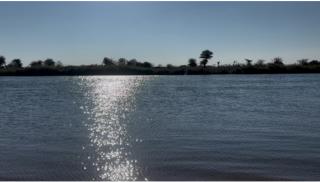
SWAKOPMUND, 11 July 2025 - Namibia emerged as the standout performer in the 2026 African country rankings, surging from 15th to 3rd place, largely driven by a favorable tax environment and improvements in other key areas. (Photo by: Isabel Bento) NAMPA.

SWAKOPMUND, 11 July 2025 - Namibia emerged as the standout performer in the 2026 African country rankings, surging from 15th to 3rd place, largely driven by a favorable tax environment and improvements in other key areas. (Photo by: Isabel Bento) NAMPA.

NAMPA
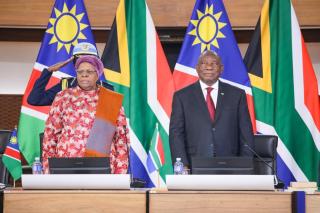
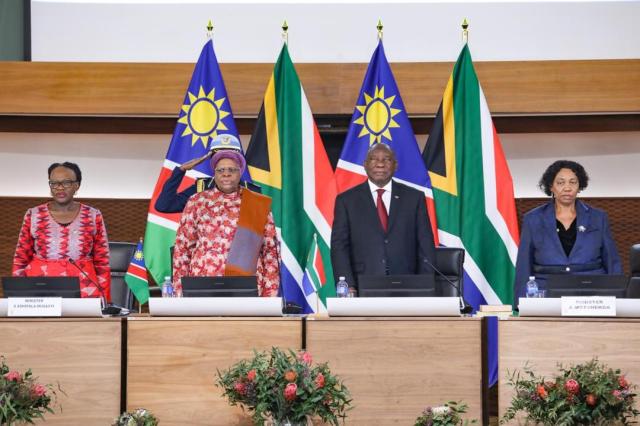
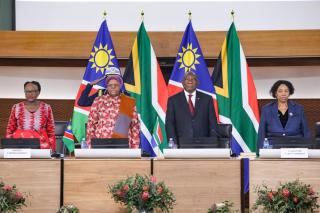
SWAKOPMUND, 11 June 2026 -Speaker of the National Assembly Saara Kuugongelwa (far right), Erongo Governor Natalia /Goagoses (far left) photographed with ODEC management and staff and other political leaders during the unveiling of the Open Doors Education Centre (ODEC) Technical and Vocational Education and Training (TVET) Programme in Swakopmund on Thursday. (Photo by: Isabel Bento) NAMPA

SWAKOPMUND, 11 June 2026 -Speaker of the National Assembly Saara Kuugongelwa (far right), Erongo Governor Natalia /Goagoses (far left) photographed with ODEC management and staff and other political leaders during the unveiling of the Open Doors Education Centre (ODEC) Technical and Vocational Education and Training (TVET) Programme in Swakopmund on Thursday. (Photo by: Isabel Bento) NAMPA

NAMPA
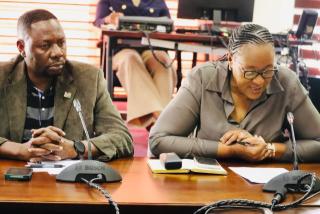
WINDHOEK, 11 JUNE 2026 - Namibia has released its Impact Assessment Report on the African Continental Free Trade Area (AfCFTA) and the Accelerated Industrial Development for Africa (AIDA) in Windhoek on Thursday, an event commissioned by the Executive Director and Director General at the National Planning Commission, along with Jane Matsubara, JICA advisor; Mustafa Sakr, the Head, Trade and Market Unit at AUDA; and Akihiro Hoshino, Japan International Agency Resident Representative. (Photo by: Uakutura Kambaekua) NAMPA.

WINDHOEK, 11 JUNE 2026 - Namibia has released its Impact Assessment Report on the African Continental Free Trade Area (AfCFTA) and the Accelerated Industrial Development for Africa (AIDA) in Windhoek on Thursday, an event commissioned by the Executive Director and Director General at the National Planning Commission, along with Jane Matsubara, JICA advisor; Mustafa Sakr, the Head, Trade and Market Unit at AUDA; and Akihiro Hoshino, Japan International Agency Resident Representative. (Photo by: Uakutura Kambaekua) NAMPA.

NAMPA
WINDHOEK, 11 JUNE 2026 - Namibia has released its Impact Assessment Report on the African Continental Free Trade Area (AfCFTA) and the Accelerated Industrial Development for Africa (AIDA) in Windhoek on Thursday, an event commissioned by the Executive Director and Director General at the National Planning Commission, along with Jane Matsubara, JICA advisor; Mustafa Sakr, the Head, Trade and Market Unit at AUDA; and Akihiro Hoshino, Japan International Agency Resident Representative. (Photo by: Uakutura Kambaekua) NAMPA.

WINDHOEK, 11 JUNE 2026 - Namibia has released its Impact Assessment Report on the African Continental Free Trade Area (AfCFTA) and the Accelerated Industrial Development for Africa (AIDA) in Windhoek on Thursday, an event commissioned by the Executive Director and Director General at the National Planning Commission, along with Jane Matsubara, JICA advisor; Mustafa Sakr, the Head, Trade and Market Unit at AUDA; and Akihiro Hoshino, Japan International Agency Resident Representative. (Photo by: Uakutura Kambaekua) NAMPA.

NAMPA
WINDHOEK, 11 JUN (NAMPA) The National Planning Commission has launched its Strategic Plan for 2025/26 – 2029/30. The commission's executive director, I-Ben Nashandi (centre), led the launch alongside key strategic stakeholders in Windhoek on Thursday. (Photo by: Uakutura Kambaekua) NAMPA.

WINDHOEK, 11 JUN (NAMPA) The National Planning Commission has launched its Strategic Plan for 2025/26 – 2029/30. The commission's executive director, I-Ben Nashandi (centre), led the launch alongside key strategic stakeholders in Windhoek on Thursday. (Photo by: Uakutura Kambaekua) NAMPA.

NAMPA
WINDHOEK, 11 JUN (NAMPA) The National Planning Commission has launched its Strategic Plan for 2025/26 – 2029/30. The commission's executive director, I-Ben Nashandi (second from left), led the launch alongside key strategic stakeholders in Windhoek on Thursday. (Photo by: Uakutura Kambaekua) NAMPA.

WINDHOEK, 11 JUN (NAMPA) The National Planning Commission has launched its Strategic Plan for 2025/26 – 2029/30. The commission's executive director, I-Ben Nashandi (second from left), led the launch alongside key strategic stakeholders in Windhoek on Thursday. (Photo by: Uakutura Kambaekua) NAMPA.

NAMPA
WINDHOEK, 11 June 2026 - Former first lady, Monica Geingos. (Photo by: Molly Weyulu) NAMPA

WINDHOEK, 11 June 2026 - Former first lady, Monica Geingos. (Photo by: Molly Weyulu) NAMPA

NAMPA
WALVIS BAY, 10 June 2026 - Delegates attending the Association of Local Authorities in Namibia (ALAN) Elective Congress in Walvis Bay. The three-day congress will conclude with a the election of a new leadership to guide the association for the next term. (Photo by: Isabel Bento) NAMPA

WALVIS BAY, 10 June 2026 - Delegates attending the Association of Local Authorities in Namibia (ALAN) Elective Congress in Walvis Bay. The three-day congress will conclude with a the election of a new leadership to guide the association for the next term. (Photo by: Isabel Bento) NAMPA

NAMPA
Comprehensive Compelling Credible Content
#14
Namibian Regions
#23
Journalists
#16
SADC Countries
#123 000
Monthly Website Users
Top News Site
In Southern Africa
#10
Partner Agencies Across the globe

International News Photos

A Venezuelan army helicopter flies over Las Brisas de Cuyuni, as seen from an artisanal gold mine near the town of Las Claritas in Bolivar state, Venezuela, during a security operation on June 11, 2026. Venezuela, home to the world's largest oil reserves, also has deposits of gold, diamonds, bauxite, coltan and rare earths, but much of its mining areas — notably the 112,000 sq km Mining Arc located in remote regions far from major cities — is controlled by armed gangs or guerrilla groups. (Photo by Federico PARRA / AFP)

A Venezuelan army helicopter flies over Las Brisas de Cuyuni, as seen from an artisanal gold mine near the town of Las Claritas in Bolivar state, Venezuela, during a security operation on June 11, 2026. Venezuela, home to the world's largest oil reserves, also has deposits of gold, diamonds, bauxite, coltan and rare earths, but much of its mining areas — notably the 112,000 sq km Mining Arc located in remote regions far from major cities — is controlled by armed gangs or guerrilla groups. (Photo by Federico PARRA / AFP)

NAMPA / AFP
A man shows a small piece of gold extracted at an artisanal gold mine in Las Brisas de Cuyuni, near the town of Las Claritas in Bolivar state, Venezuela, on June 11, 2026. Venezuela, home to the world's largest oil reserves, also has deposits of gold, diamonds, bauxite, coltan and rare earths, but much of its mining areas — notably the 112,000 sq km Mining Arc located in remote regions far from major cities — is controlled by armed gangs or guerrilla groups. (Photo by Federico PARRA / AFP)

A man shows a small piece of gold extracted at an artisanal gold mine in Las Brisas de Cuyuni, near the town of Las Claritas in Bolivar state, Venezuela, on June 11, 2026. Venezuela, home to the world's largest oil reserves, also has deposits of gold, diamonds, bauxite, coltan and rare earths, but much of its mining areas — notably the 112,000 sq km Mining Arc located in remote regions far from major cities — is controlled by armed gangs or guerrilla groups. (Photo by Federico PARRA / AFP)

NAMPA / AFP
A Venezuelan army helicopter flies over Las Brisas de Cuyuni, as seen from an artisanal gold mine near the town of Las Claritas in Bolivar state, Venezuela, during a security operation on June 11, 2026. Venezuela, home to the world's largest oil reserves, also has deposits of gold, diamonds, bauxite, coltan and rare earths, but much of its mining areas — notably the 112,000 sq km Mining Arc located in remote regions far from major cities — is controlled by armed gangs or guerrilla groups. (Photo by Federico PARRA / AFP)

A Venezuelan army helicopter flies over Las Brisas de Cuyuni, as seen from an artisanal gold mine near the town of Las Claritas in Bolivar state, Venezuela, during a security operation on June 11, 2026. Venezuela, home to the world's largest oil reserves, also has deposits of gold, diamonds, bauxite, coltan and rare earths, but much of its mining areas — notably the 112,000 sq km Mining Arc located in remote regions far from major cities — is controlled by armed gangs or guerrilla groups. (Photo by Federico PARRA / AFP)

NAMPA / AFP
A miner rides a motorcycle carrying a sheet of zinc as he leaves an artisanal gold mine in Las Brisas de Cuyuni,  near the town of Las Claritas, Bolivar state, Venezuela, on June 11, 2026. Venezuela, home to the world's largest oil reserves, also has deposits of gold, diamonds, bauxite, coltan and rare earths, but much of its mining areas — notably the 112,000 sq km Mining Arc located in remote regions far from major cities — is controlled by armed gangs or guerrilla groups. (Photo by Federico PARRA / AFP)

A miner rides a motorcycle carrying a sheet of zinc as he leaves an artisanal gold mine in Las Brisas de Cuyuni, near the town of Las Claritas, Bolivar state, Venezuela, on June 11, 2026. Venezuela, home to the world's largest oil reserves, also has deposits of gold, diamonds, bauxite, coltan and rare earths, but much of its mining areas — notably the 112,000 sq km Mining Arc located in remote regions far from major cities — is controlled by armed gangs or guerrilla groups. (Photo by Federico PARRA / AFP)

NAMPA / AFP
A Venezuelan army helicopter flies over Las Brisas de Cuyuni, as seen from an artisanal gold mine near the town of Las Claritas in Bolivar state, Venezuela, during a security operation on June 11, 2026. Venezuela, home to the world's largest oil reserves, also has deposits of gold, diamonds, bauxite, coltan and rare earths, but much of its mining areas — notably the 112,000 sq km Mining Arc located in remote regions far from major cities — is controlled by armed gangs or guerrilla groups. (Photo by Federico PARRA / AFP)

A Venezuelan army helicopter flies over Las Brisas de Cuyuni, as seen from an artisanal gold mine near the town of Las Claritas in Bolivar state, Venezuela, during a security operation on June 11, 2026. Venezuela, home to the world's largest oil reserves, also has deposits of gold, diamonds, bauxite, coltan and rare earths, but much of its mining areas — notably the 112,000 sq km Mining Arc located in remote regions far from major cities — is controlled by armed gangs or guerrilla groups. (Photo by Federico PARRA / AFP)

NAMPA / AFP
Miners ride a motorcycle carrying mining tools as they leave an artisanal gold mine in Las Brisas de Cuyuni, near the town of Las Claritas, Bolivar state, Venezuela, on June 11, 2026. Venezuela, home to the world's largest oil reserves, also has deposits of gold, diamonds, bauxite, coltan and rare earths, but much of its mining areas — notably the 112,000 sq km Mining Arc located in remote regions far from major cities — is controlled by armed gangs or guerrilla groups. (Photo by Federico PARRA / AFP)

Miners ride a motorcycle carrying mining tools as they leave an artisanal gold mine in Las Brisas de Cuyuni, near the town of Las Claritas, Bolivar state, Venezuela, on June 11, 2026. Venezuela, home to the world's largest oil reserves, also has deposits of gold, diamonds, bauxite, coltan and rare earths, but much of its mining areas — notably the 112,000 sq km Mining Arc located in remote regions far from major cities — is controlled by armed gangs or guerrilla groups. (Photo by Federico PARRA / AFP)

NAMPA / AFP
Venezuelan army helicopters fly over Las Brisas de Cuyuni, as seen from an artisanal gold mine near the town of Las Claritas in Bolivar state, Venezuela, during a security operation on June 11, 2026. Venezuela, home to the world's largest oil reserves, also has deposits of gold, diamonds, bauxite, coltan and rare earths, but much of its mining areas — notably the 112,000 sq km Mining Arc located in remote regions far from major cities — is controlled by armed gangs or guerrilla groups. (Photo by Federico PARRA / AFP)

Venezuelan army helicopters fly over Las Brisas de Cuyuni, as seen from an artisanal gold mine near the town of Las Claritas in Bolivar state, Venezuela, during a security operation on June 11, 2026. Venezuela, home to the world's largest oil reserves, also has deposits of gold, diamonds, bauxite, coltan and rare earths, but much of its mining areas — notably the 112,000 sq km Mining Arc located in remote regions far from major cities — is controlled by armed gangs or guerrilla groups. (Photo by Federico PARRA / AFP)

NAMPA / AFP
A view shows pipes used in an artisanal gold mine at Las Brisas de Cuyuni, near the town of Las Claritas in Bolivar state, Venezuela, on June 11, 2026. Venezuela, home to the world's largest oil reserves, also has deposits of gold, diamonds, bauxite, coltan and rare earths, but much of its mining areas — notably the 112,000 sq km Mining Arc located in remote regions far from major cities — is controlled by armed gangs or guerrilla groups. (Photo by Federico PARRA / AFP)

A view shows pipes used in an artisanal gold mine at Las Brisas de Cuyuni, near the town of Las Claritas in Bolivar state, Venezuela, on June 11, 2026. Venezuela, home to the world's largest oil reserves, also has deposits of gold, diamonds, bauxite, coltan and rare earths, but much of its mining areas — notably the 112,000 sq km Mining Arc located in remote regions far from major cities — is controlled by armed gangs or guerrilla groups. (Photo by Federico PARRA / AFP)

NAMPA / AFP