News
ABOUT US
NAMPA UNIVERSE
PARTNERS
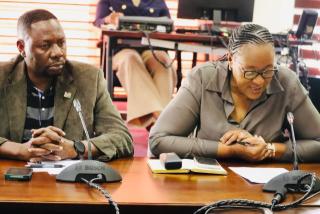
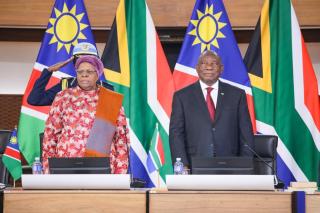

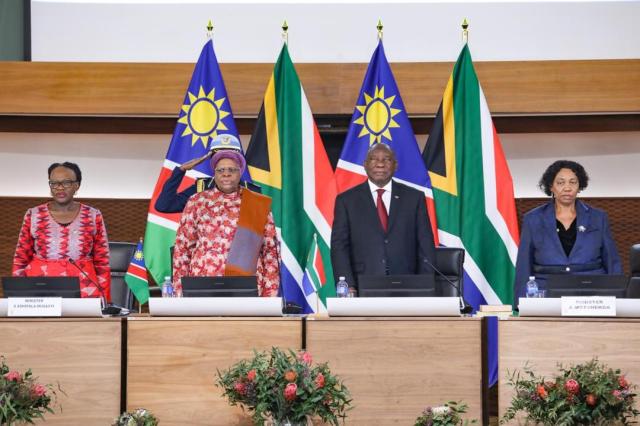
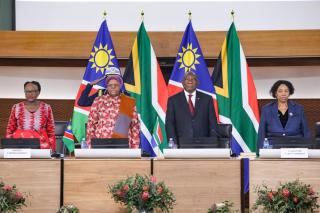
PRETORIA, 17 July 2026 – From left: Namibian Minister of International Relations and Trade, Selma Ashipala-Musavyi; Namibian President Netumbo Nandi-Ndaitwah; South African President Cyril Ramaphosa; and South African Minister of Defence and Military Veterans, Angie Motshekga, pictured at the 4th Session of the South Africa–Namibia Binational Commission in Pretoria on Friday, in Pretoria, South Africa. (Photo: Contributed) NAMPA.
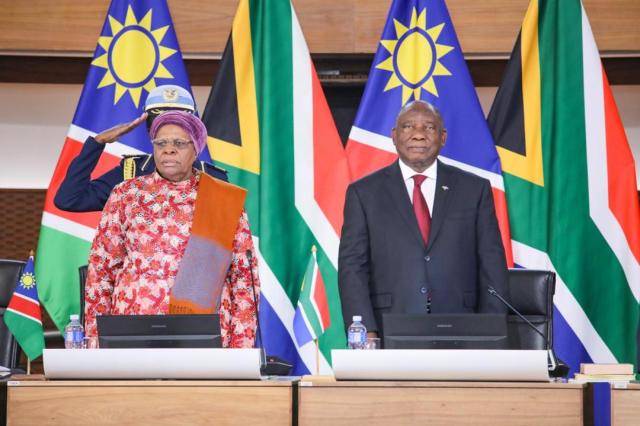
PRETORIA, 17 JULY 2026 – President Cyril Ramaphosa of South Africa and Namibian President Netumbo Nandi-Ndaitwah successfully co-chaired the 4th Session of the South Africa–Namibia Binational Commission (BNC), which took place today, Friday, 17 July, in Pretoria, South Africa. (Photo: Contributed) NAMPA.

SWAKOPMUND, 17 July 2026 - President of the Zambian Institute of Public Relations and Communication (ZIPRAC) Irene Lungu sharing a Zambian Case Study on Proffesionalising Communication-Building the Namibian Blueprint. (Photo by: MICT)

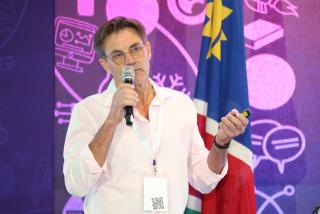
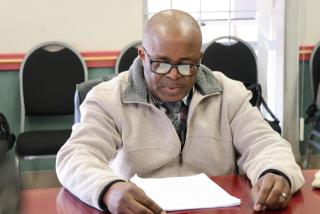
SWAKOPMUND, 17 July 2026 - Director of Corporate Engagement and Internationalisation at the Namibian University of Science and Technology Gervasius Nashilongo. (Photo: MICT)

WALVIS BAY, 16 July 2026 - Information and Communication Technology Minister Emma Theofelus looks on as Namibia Ports Authority’s Executive for Commercial Services Elias Mwenyo greets Botswana Vice President Ndaba Gaolathe during his visit to the Botswana Dry port at the port of Walvis Bay. (Photo: MICT)
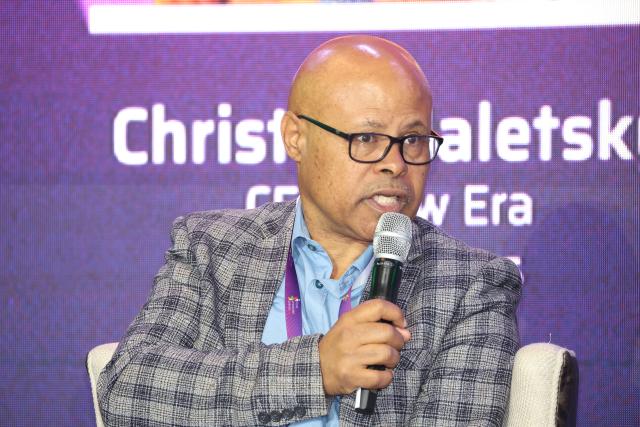
SWAKOPMUND, 17 July 2026 - New Era Publication Corporation Chief Executive Officer Christof Maletsky participates in a panel discussion on Service Delivery and Managing the Narrative at the Effective Communicators Conference (ECC). (Photos: MICT)
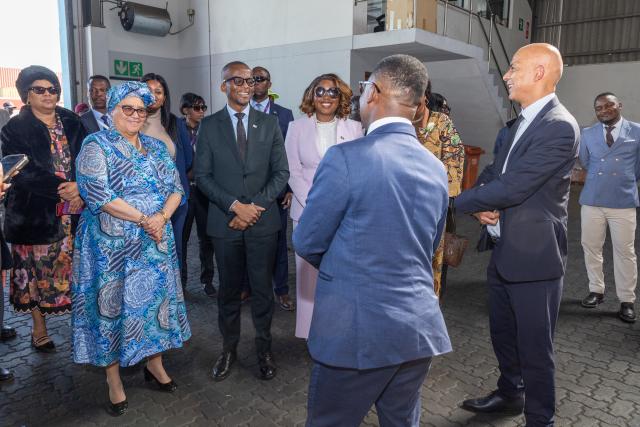
SWAKOPMUND, 16 July 2026 - Vice President Lucia Witbooi, Botswana Vice President Ndaba Gaolathe, Information and Communication Technology Emma Theofelus led a delegation to the Botswana Dry Port and the Walvis Bay Port. (Photo: MICT)

SWAKOPMUND, 16 July 2026 - Namibian Sun Editor in Chief and Chairperson of the Editors’ Forum Toivo Ndjebela on Thursday at the Effective Communicators Conference at Swakopmund. (Photo by: Chelva Wells) NAMPA

PREVISIONS PHOTO FRANCE - DIMANCHE 19 JUILLET 2026PREVISIONS PHOTO FRANCE - DIMANCHE 19 JUILLET 2026 PARISParc Floral de Vincennes : Traversee de Paris en vehicules anciens REGIONSBordeaux : manifestation "pour la survie des Girondins" a l’appel du groupe de supporters Ultramarines SPORTSCyclisme : TDF 2026 Etape 15 : Champagnole > Plateau de Solaison RESPONSABLE DE PERMANENCE : Samantha DUBOIS +33661472872 / redchef-photo@afp.com / photodesk.paris@afp.com (Photo by AFP)
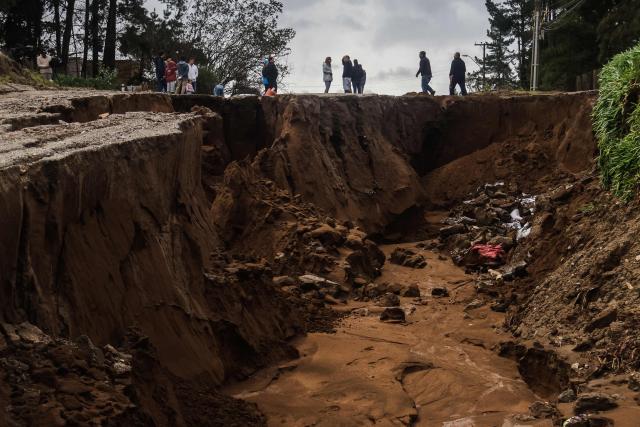
People stand next to a large sinkhole formed after heavy rains in Viсa del Mar, Chile, on July 18, 2026. Three people died and 76 were affected by a storm with heavy rains, swells, and winds that is impacting 10 of the country’s 16 regions, the government reported. (Photo by Cristobal Basaure / AFP)
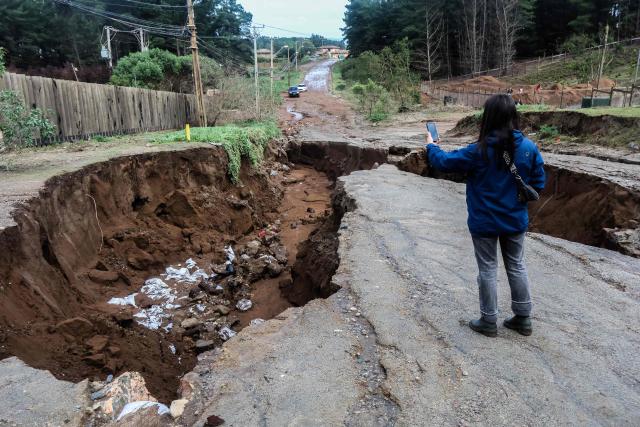
A woman uses a mobile phone as she stands next to a large sinkhole formed after heavy rains in Viсa del Mar, Chile, on July 18, 2026. Three people died and 76 were affected by a storm with heavy rains, swells, and winds that is impacting 10 of the country’s 16 regions, the government reported. (Photo by Cristobal Basaure / AFP)
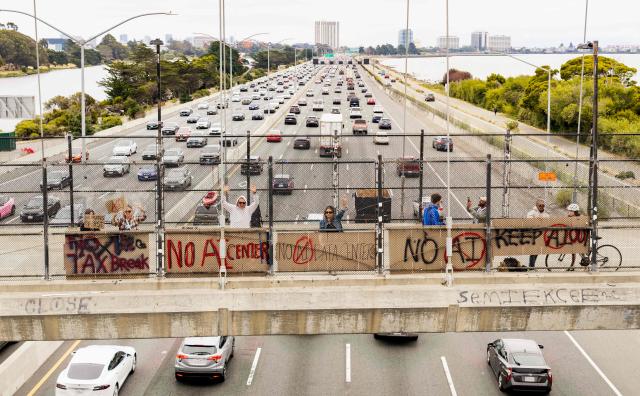
People hold up signs on a pedestrian bridge during a nationwide protest against AI data center expansion in Berkeley, California on July 18, 2026. (Photo by Josh Edelson / AFP)
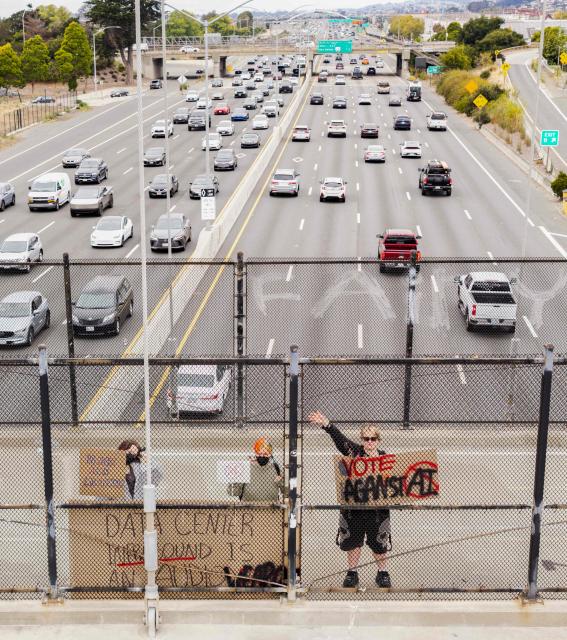
People hold up signs on a pedestrian bridge during a nationwide protest against AI data center expansion in Berkeley, California on July 18, 2026. (Photo by Josh Edelson / AFP)
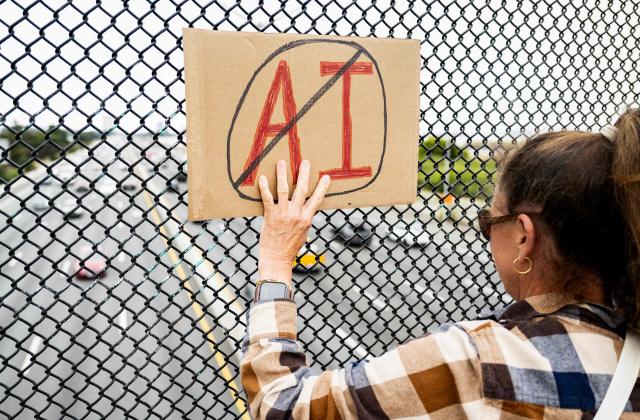
A person holds up a sign on a pedestrian bridge during a nationwide protest against AI data center expansion in Berkeley, California on July 18, 2026. (Photo by Josh Edelson / AFP)
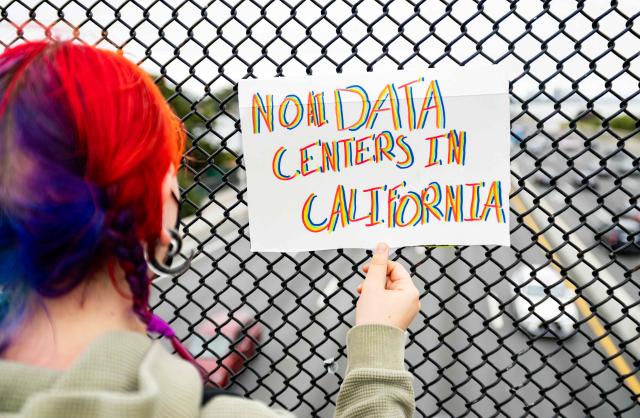
A person holds up a sign on a pedestrian bridge during a nationwide protest against AI data center expansion in Berkeley, California on July 18, 2026. (Photo by Josh Edelson / AFP)
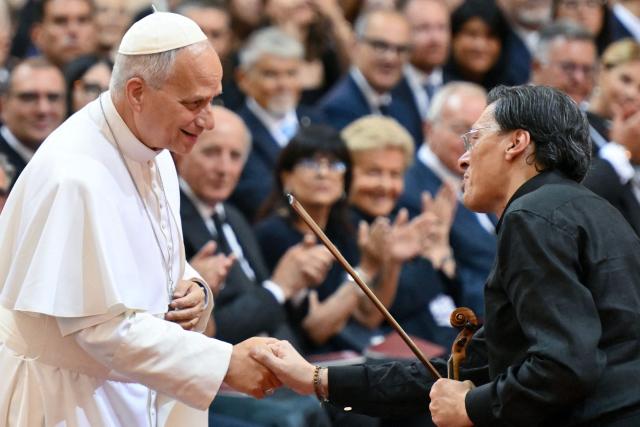
Pope Leo XIV greets the Italian violinist Marco Rogliano as he attend a concert in the Apostolic Palace at the summer papal residence in Castel Gandolfo on July 18, 2026. (Photo by Alberto PIZZOLI / AFP)