News
ABOUT US
NAMPA UNIVERSE
PARTNERS





WINDHOEK, 27 October 2026 - China's Ambassador to Namibia Zhao Weiping speaking at the China-Africa Cooperation Symposium in Windhoek on Tuesday. (Photo: Contributed)

WINDHOEK, 27 October 2026 - Economic Association of Namibia chairperson Jason Kasuto speaking at the China-Africa Cooperation Symposium in Windhoek on Tuesday. (Photo: Contributed)
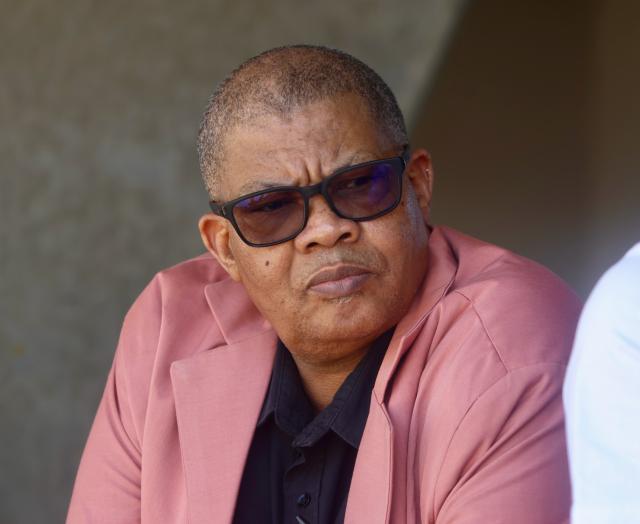
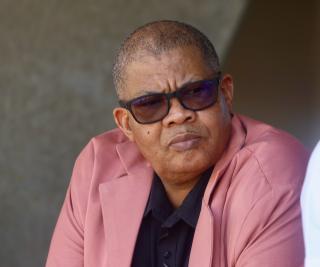
WINDHOEK, 07 October 2026 - Acting Secretary General of the Namibia Football Association Mabos Vries pictured at the Sam Nujoma Stadium in Katutura during the prime minister's surprise visit to assess renovations that are being carried out in preparation of Confederation of African Football accredited matches. (Photo: Hesron Kapanga) NAMPA
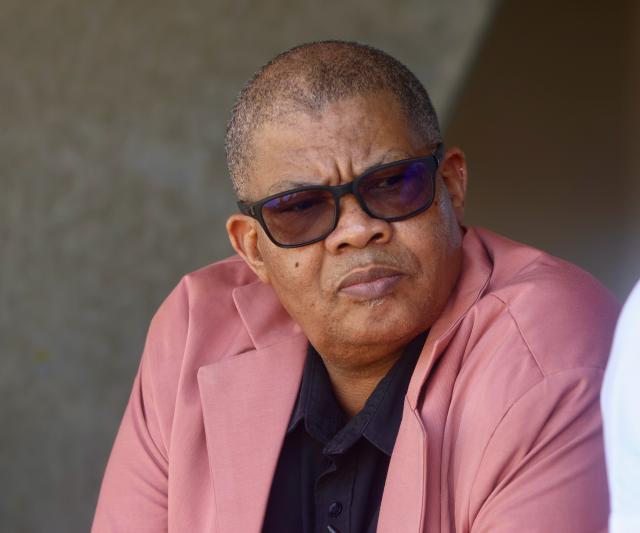
WINDHOEK , 07 October 2026 - Acting Secretary General of the Namibia Football Association, Mabos Vries, pictured at the Sam Nujoma Stadium in Windhoek. (Photo: Hesron Kapanga) NAMPA
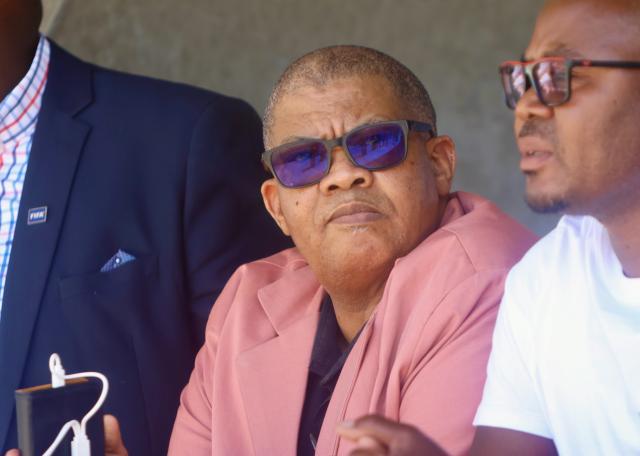
WINDHOEK , 07 October 2026 - Acting Secretary General of the Namibia Football Association, Mabos Vries, pictured at the Sam Nujoma Stadium in Windhoek. (Photo: Hesron Kapanga) NAMPA

WINDHOEK, 07 October 2026 - The Sam Nujoma Stadium in Katutura is undergoing structural renovations in preparation of the Confederation of African Football accredited matches. (Photo: Hesron Kapanga) NAMPA
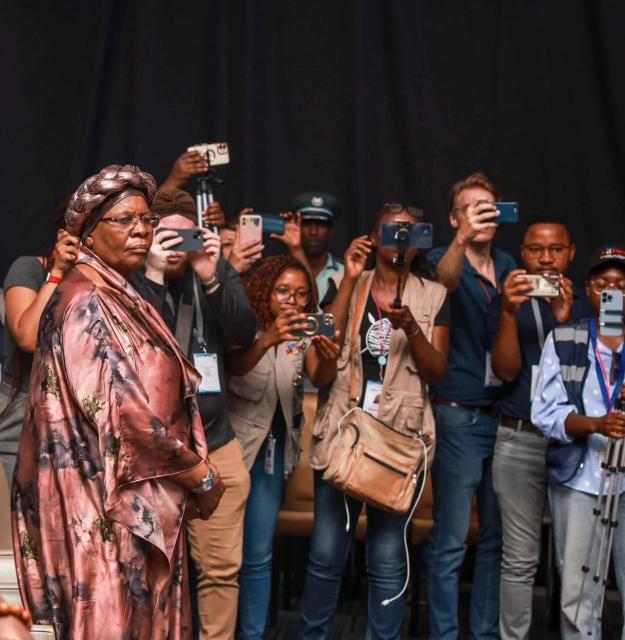
WINDHOEK, 27 November - Journalists’ working conditions, including low pay, lack of employment contracts and safety concerns, were highlighted in a 2026 Federation of African Journalists report. (Photo: Contributed) NAMPA.

WINDHOEK, 27 October 2026 - (From left) Senior coach at Mindsinaction STEAM Centre, Hirukevi Mbinga; Nedbank Namibia marketing and communications intern, Stephen Eiseb; manager at Mindsinaction STEAM Centre, Petrus Amutenya; and Nedbank Namibia communications and corporate social investment specialist, Ndatala Angula pictured at the Mindsinaction STEAM Centre. (Photo: Contributed)
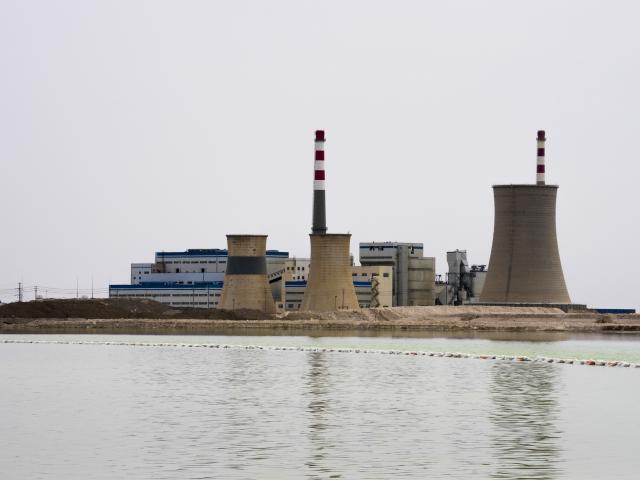
(261027) -- URUMQI, Oct. 27, 2026 (Xinhua) -- This photo taken on Sept. 5, 2026 shows a factory of the SDIC Xinjiang Luobupo Potash Co., Ltd. in northwest China's Xinjiang Uygur Autonomous Region. TO GO WITH "Economic Watch: Desert brine from former 'sea of death' feeds fields across China" (Xinhua/Zhang Xiaocheng)

US Vice President JD Vance salutes as he steps off Air Force Two at Bishop International Airport in Flint, Michigan on October 27, 2026. Vance is travelling Michigan to attend a rally ahead of the midterm elections. (Photo by SAUL LOEB / POOL / AFP)

This photograph shows a general view of the Senate, French Parliament's upper house, ahead of the examination of the 'Compensation for damage resulting from degradation committed in public spaces' bill also referred to as the 'rioters-pay' (casseurs-payeurs) bill and its critized measures on the collective responsability of troublemakers and the seizure of their welfare benefits at the French Senate in Paris on October 27, 2026. Drawn up during the summer 2026, notably to respond to the damage that followed Paris Saint-Germain's European triumph, the play of the parliamentary calendar has made it an eminently political object since the scenes of chaos of October 17, when 2,201 businesses were vandalized according to the count of the chambers of commerce and industry in France (CCI France). (Photo by Thomas SAMSON / AFP)

Trappes' mayor Ali Rabeh holds a press conference at the National Assembly, France's Parliament lower house, in Paris on October 27, 2026, four days after a gunman firing from a car killed one person and wounded five, including a 12-year-old girl shot eight times, in the Paris suburban cities of Trappes and La Verriere, in what French president branded a "racist terrorist attack". (Photo by SIMON WOHLFAHRT / AFP)
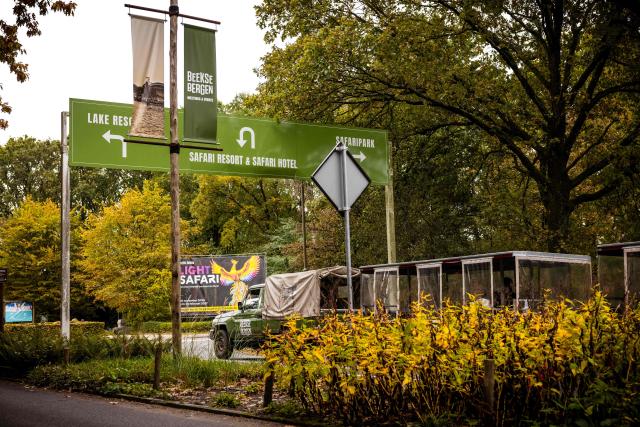
This photograph shows the entrance of the Safaripark Beekse Bergen in Hilvarenbeek, on October 27, 2026. A keeper at a Dutch zoo has died days after being mauled in a leopard enclosure, the safari park announced on October 27, 2026. (Photo by ROB ENGELAAR / ANP / AFP) / Netherlands OUT
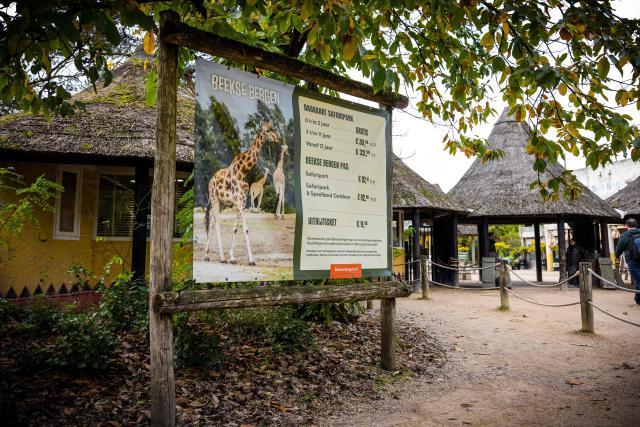
This photograph shows the exterior of the Safaripark Beekse Bergen in Hilvarenbeek, on October 27, 2026. A keeper at a Dutch zoo has died days after being mauled in a leopard enclosure, the safari park announced on October 27, 2026. (Photo by ROB ENGELAAR / ANP / AFP) / Netherlands OUT
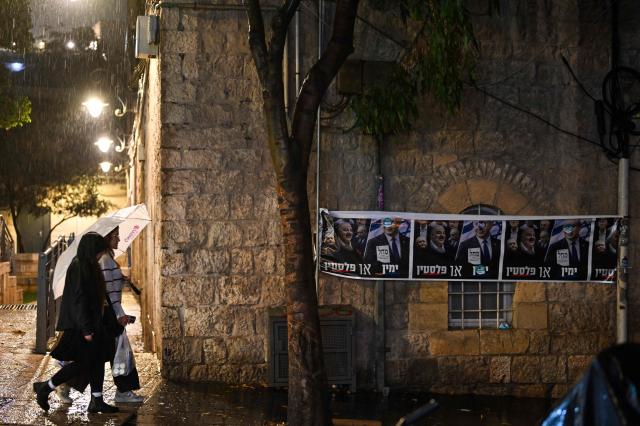
People walk with umbrellas in the rain outside a polling station in Jerusalem on October 27, 2026, on the day of Israel's legislative election. A deeply divided Israel headed to the polls for the first time since Hamas's October 7, 2023 attack, with voters delivering their verdict on veteran prime minister and the country's rightward drift. (Photo by Jewel SAMAD / AFP)
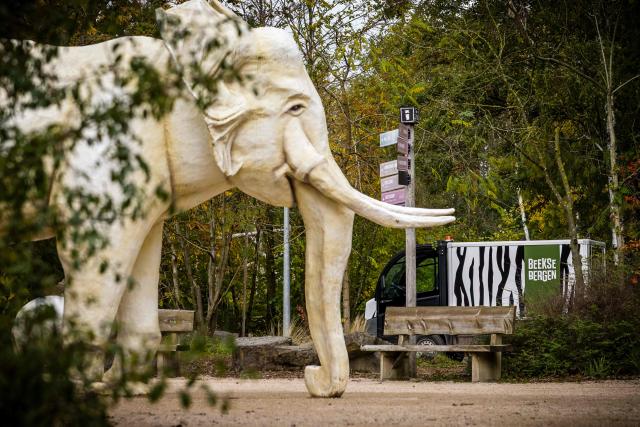
This photograph shows the exterior of the Safaripark Beekse Bergen in Hilvarenbeek, on October 27, 2026. A keeper at a Dutch zoo has died days after being mauled in a leopard enclosure, the safari park announced on October 27, 2026. (Photo by ROB ENGELAAR / ANP / AFP) / Netherlands OUT