News
ABOUT US
NAMPA UNIVERSE
PARTNERS

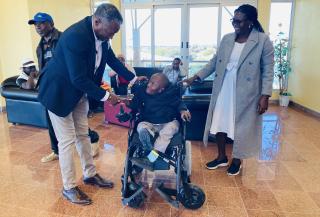
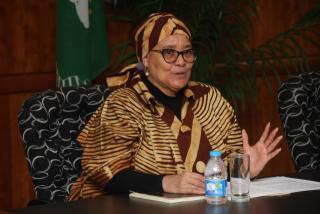
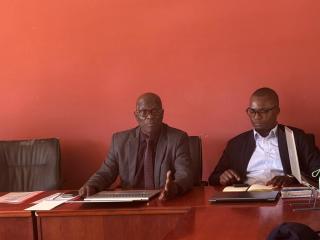

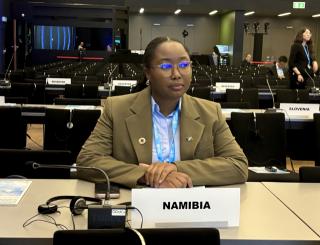
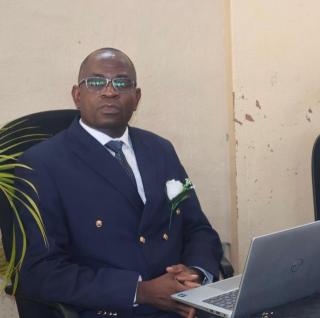
WINDHOEK, 13 July 2026 - The Communications Regulatory Authority of Namibia's (CRAN) newly appointed Manager for Economics and Market Development, Bridget Ellen Dundee. (Photo: Contributed) NAMPA
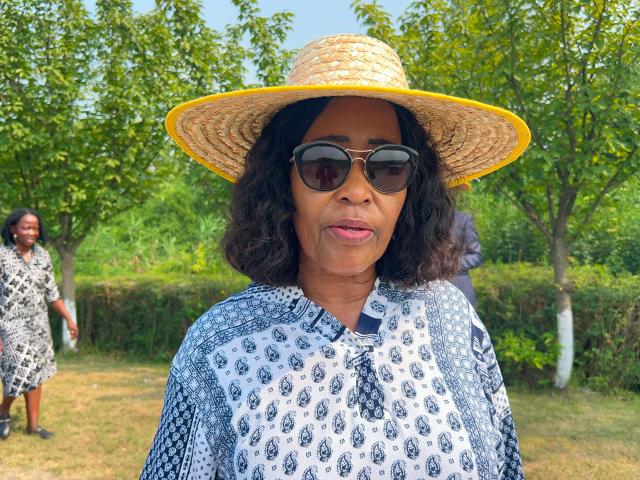
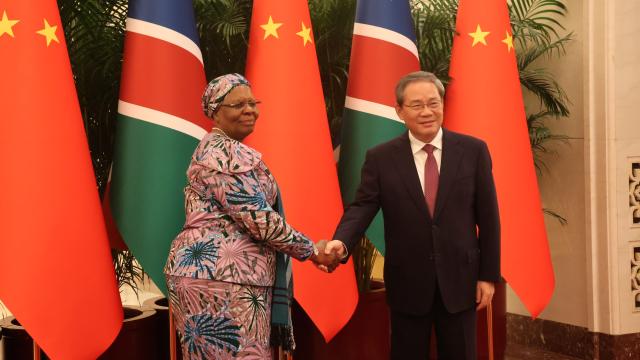
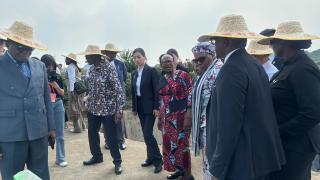
SICHUAN, 08 July 2026 - Minister of Agriculture, Fisheries, Water and Land Reform, Inge Zaamwani. (Photo: Isabel Bento) NAMPA
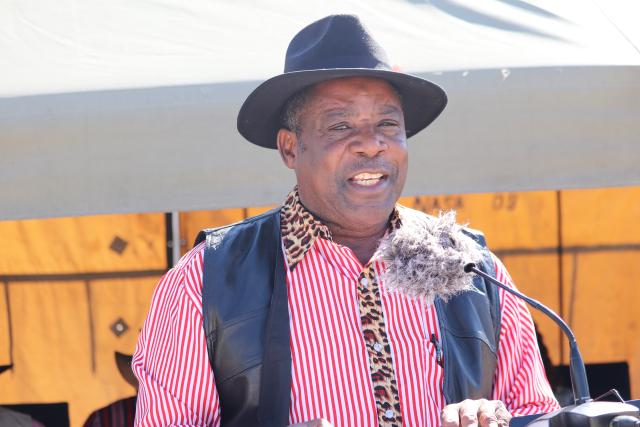
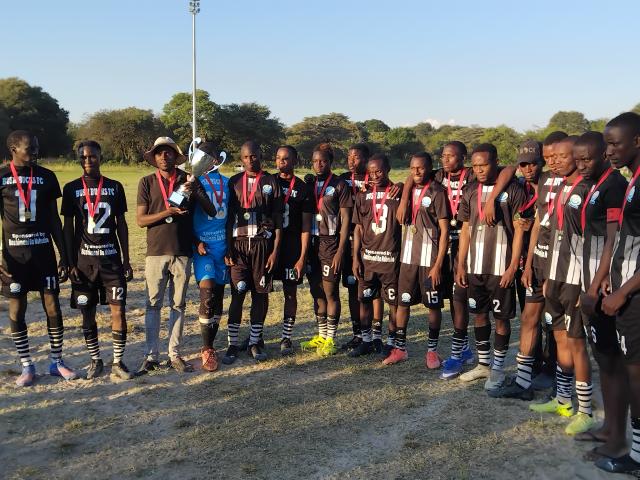
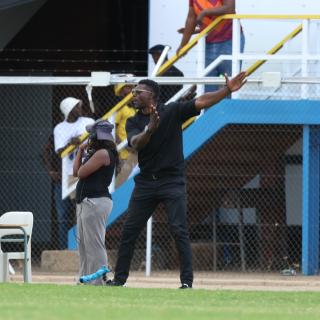
OSHITAYI, 08 July 2026 - Ondangwa Urban Constituency Councillor Leonard Negonga address learners during the Ondangwa Urban Annual Constituency Culture Festival 2026 on Wednesday. (Photo: Ester Hakaala) NAMPA
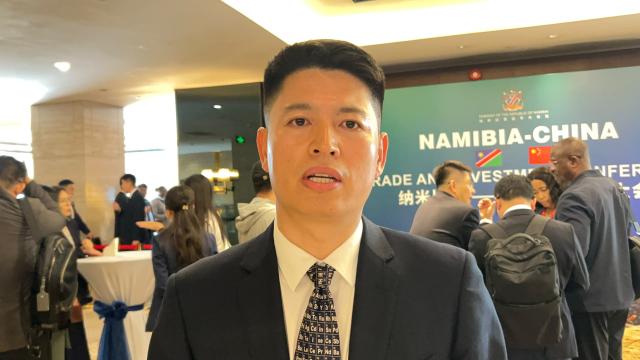
BEIJING, 09 July 2026 - Director of Sinomine Group and Chief Executive Officer of Sinomine Tsumeb Smelter, Logan Lou Yonggang. (Photo: Isabel Bento) NAMPA
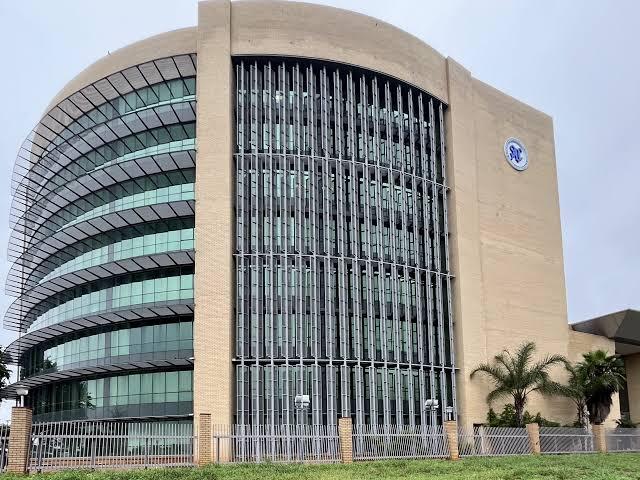
GABORONE, 06 July 2026 - Southern African officials will meet in Johannesburg from 15 to 17 July to advance public spending efficiency through cost-benefit analysis. (Photo: Contributed) NAMPA.
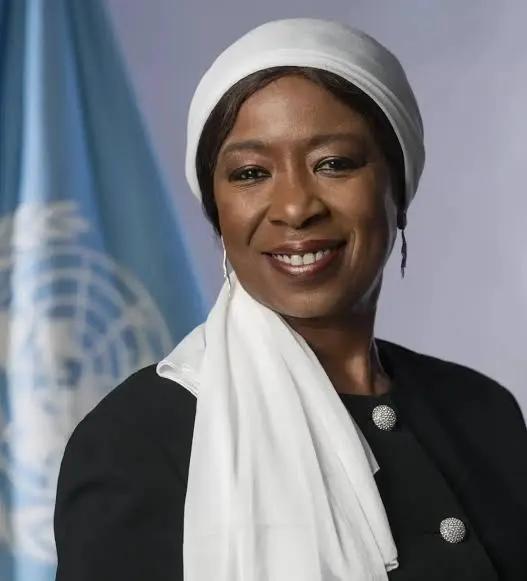
NEW YORK, 07 July 2026 - Diene Keita, Executive Director of UNFPA. (Photo: Contributed) NAMPA.

WINDHOEK, 07 July 2026 - Ana Beatriz Martins, European Union (EU) Ambassador to Namibia. (Photo: Contributed) NAMPA
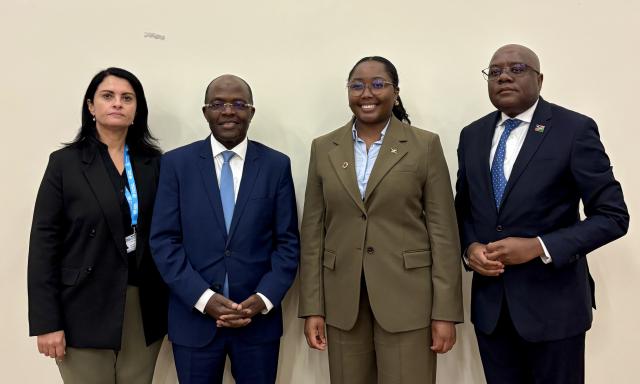
GENEVA, 06 July 2026 - Minister of Information and Communication Technology, Emma Theofelus, pictured with Chairperson of the PowerCom Board, Eldorette Harmse, Director of the Telecommunication Development Bureau (BDT) at the International Telecommunication Union (ITU), Dr Cosmas Luckyson Zavazava; and Namibia's Ambassador to the Swiss Confederation and Permanent Representative to the United Nations Office in Geneva, Elvis Shiweda, during the Global Dialogue on AI Governance in Geneva, Switzerland, on Monday. (Photo by: Josephina Simeon) NAMPA
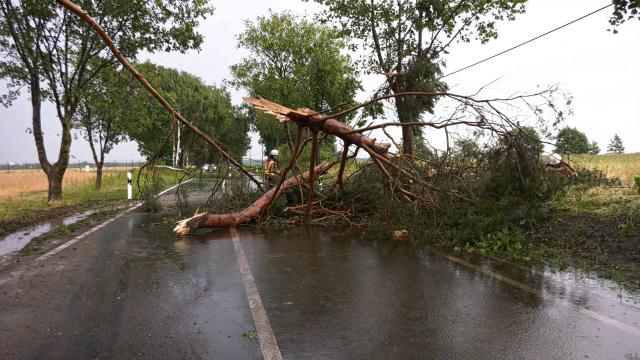
14 July 2026, Mecklenburg-Western Pomerania, Ludwigslust-Parchim: A firefighter clears a fallen branch from a road following a thunderstorm near Ludwigslust-Parchim. Photo: Ralf Drefin/SWM DV Studio/dpa
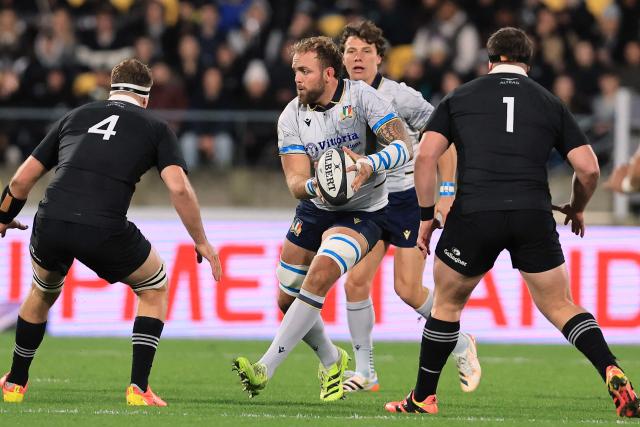
This picture taken on July 11, 2026 shows Italy's lock Niccolo Cannone (C) looking to offload the ball during the Nations Championship rugby Test match between New Zealand and Italy in Wellington. Niccolo Cannone was on July 14 banned for four matches after receiving a red card against New Zealand last weekend, meaning he will miss the Nations Championship clash with Australia. (Photo by Grant Down / AFP)
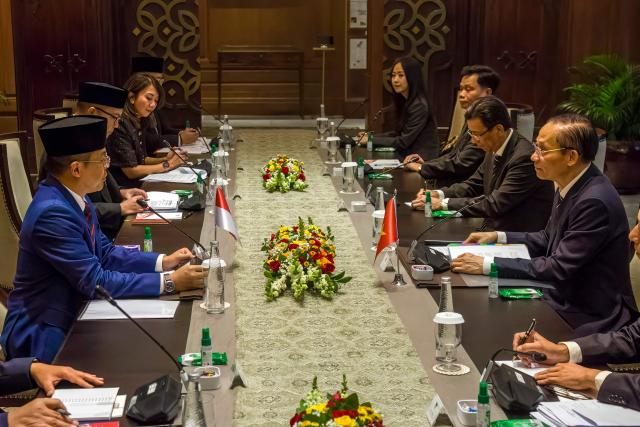
Indonesian Foreign Minister Sugiono (L) and Vietnamese Foreign Minister Bui Thanh Son (R) lead their respective delegations during the Joint Commission for Bilateral Cooperation (JCBC) meeting at the Ministry of Foreign Affairs in Jakarta on July 14, 2026. (Photo by ADITYA IRAWAN / AFP)
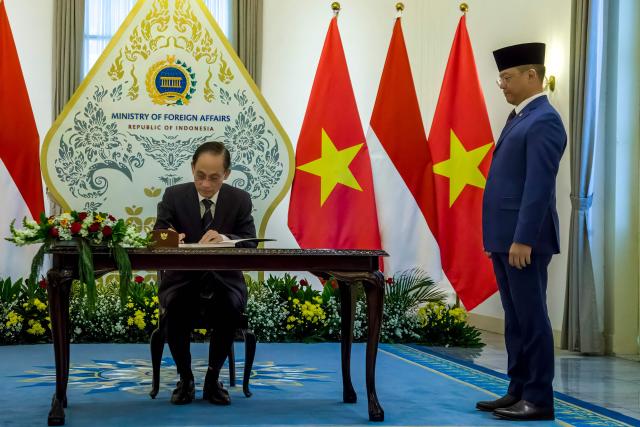
Vietnamese Foreign Minister Bui Thanh Son (L) signs the guestbook as Indonesian Foreign Minister Sugiono (R) looks on during the Joint Commission for Bilateral Cooperation (JCBC) meeting at the Ministry of Foreign Affairs office in Jakarta on July 14, 2026. (Photo by ADITYA IRAWAN / AFP)
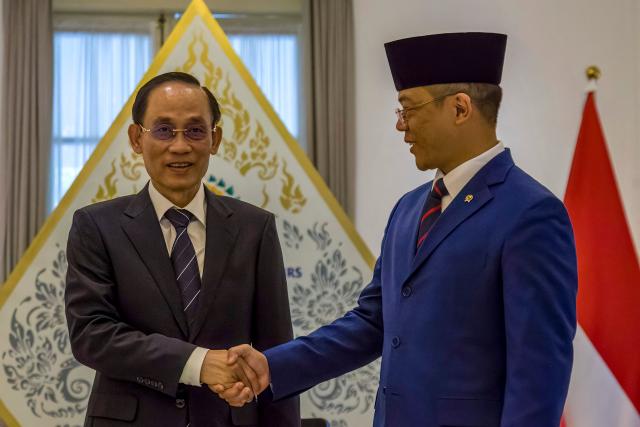
Indonesian Foreign Minister Sugiono (R) shakes hands with Vietnamese Foreign Minister Bui Thanh Son (L) during the Joint Commission for Bilateral Cooperation (JCBC) meeting at the Ministry of Foreign Affairs in Jakarta on July 14, 2026. (Photo by ADITYA IRAWAN / AFP)
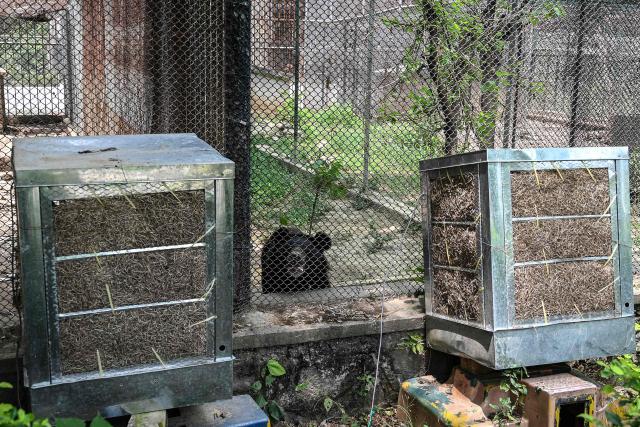
This photograph taken on July 7, 2026 shows a black bear standing in front of air coolers inside an enclosure at the Margallah Wildlife Rescue Centre in Islamabad. Cradling an Asian koel in his hands, wildlife officer Zaheer Ahmed gently stretched its wings as part of a health checkup to rehabilitate birds hit with dehydration or heatstroke in Pakistan's capital. (Photo by Farooq NAEEM / AFP)
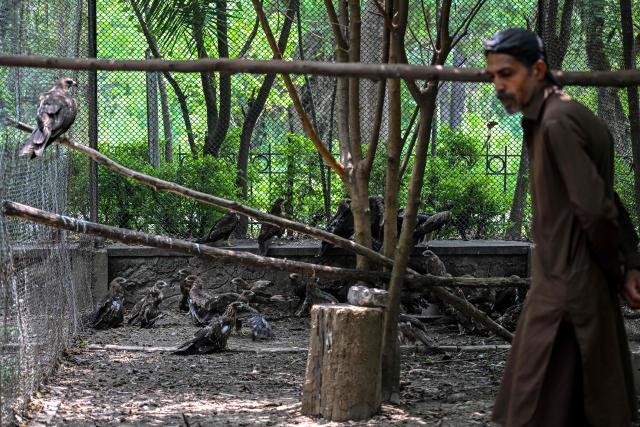
This photograph taken on July 7, 2026 shows wildlife officer Zaheer Ahmed monitoring kites at the Margallah Wildlife Rescue Centre in Islamabad. Cradling an Asian koel in his hands, wildlife officer Zaheer Ahmed gently stretched its wings as part of a health checkup to rehabilitate birds hit with dehydration or heatstroke in Pakistan's capital. (Photo by Farooq NAEEM / AFP)
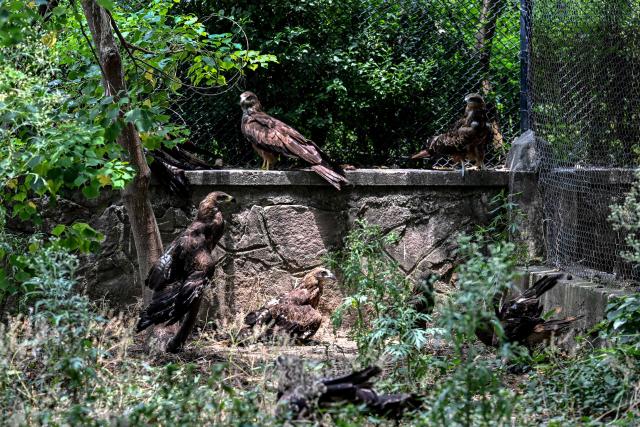
This photograph taken on July 7, 2026 shows kites resting inside a cage at the Margallah Wildlife Rescue Centre in Islamabad. Cradling an Asian koel in his hands, wildlife officer Zaheer Ahmed gently stretched its wings as part of a health checkup to rehabilitate birds hit with dehydration or heatstroke in Pakistan's capital. (Photo by Farooq NAEEM / AFP)