Nampa News Photos

EPUKIRO, 22 August 2026 -  Agricultural sector key in achieving NDP6 (Photo: Zebaldt Ngaruka) NAMPA

EPUKIRO, 22 August 2026 - Agricultural sector key in achieving NDP6 (Photo: Zebaldt Ngaruka) NAMPA

NAMPA
NKURENKURU, 22 August 2026 - Chairperson of the Namibia National Solidarity Campaign in Support of Cuba, Helmut Angula, (white cap) on Friday met with the Kavango West regional leadership to brief them on the situation in Cuba and the national solidarity drive. (Photo: Lylie Joel) NAMPA

NKURENKURU, 22 August 2026 - Chairperson of the Namibia National Solidarity Campaign in Support of Cuba, Helmut Angula, (white cap) on Friday met with the Kavango West regional leadership to brief them on the situation in Cuba and the national solidarity drive. (Photo: Lylie Joel) NAMPA

NAMPA
ONGWEDIVA, 22 August 2026 - The Ongwediva Annual Trade Fair grounds. (Photo: Ali Negumbo) NAMPA

ONGWEDIVA, 22 August 2026 - The Ongwediva Annual Trade Fair grounds. (Photo: Ali Negumbo) NAMPA

NAMPA
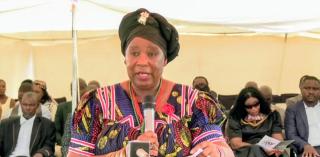
GOBABIS, 22 AUGUST 2026 - Chairperson of Omaheke Regional Council, Rocco Nguvauva. (Photo: Zebaldt Ngaruka) NAMPA

GOBABIS, 22 AUGUST 2026 - Chairperson of Omaheke Regional Council, Rocco Nguvauva. (Photo: Zebaldt Ngaruka) NAMPA

NAMPA
GOBABIS, 22 AUGUST 2026  - The Omaheke Regional Council offices. (Photo: Zebaldt Ngaruka) NAMPA

GOBABIS, 22 AUGUST 2026 - The Omaheke Regional Council offices. (Photo: Zebaldt Ngaruka) NAMPA

NAMPA
GOBABIS, 22 AUGUST 2026 - The Omaheke Regional Council offices. (Photo: Zebaldt Ngaruka) NAMPA

GOBABIS, 22 AUGUST 2026 - The Omaheke Regional Council offices. (Photo: Zebaldt Ngaruka) NAMPA

NAMPA
WINDHOEK, 21 August 2026 - Ongwediva Annual Trade Fair Preparatory Committee Member, Lonia Nghuulikwa. (Photo: Ali Negumbo) NAMPA

WINDHOEK, 21 August 2026 - Ongwediva Annual Trade Fair Preparatory Committee Member, Lonia Nghuulikwa. (Photo: Ali Negumbo) NAMPA

NAMPA
NKURENKURU, 21 August 2026 - Minister of Information and Communication Technology, Emma Theofelus, cuts a ribbon signaling the official opening of the Nkurenkuru Post Office on Friday. She is accompanied by Kavango West Governor, Verna Sinimbo (on her right) and NamPost CEO, Willem Mouton, (on her left). (Photo: Lylie Joel) NAMPA

NKURENKURU, 21 August 2026 - Minister of Information and Communication Technology, Emma Theofelus, cuts a ribbon signaling the official opening of the Nkurenkuru Post Office on Friday. She is accompanied by Kavango West Governor, Verna Sinimbo (on her right) and NamPost CEO, Willem Mouton, (on her left). (Photo: Lylie Joel) NAMPA

NAMPA
Comprehensive Compelling Credible Content
#14
Namibian Regions
#23
Journalists
#16
SADC Countries
#123 000
Monthly Website Users
Top News Site
In Southern Africa
#10
Partner Agencies Across the globe

International News Photos

(260822) -- LIANYUNGANG, Aug. 22, 2026 (Xinhua) -- Zhong Baijun talks about the company's development at a village collective company in Xijidang Village, Zhewang Town of Lianyungang City, east China's Jiangsu Province, Aug. 19, 2026. Zhong Baijun, Party secretary of Xijidang Village and head of the village committee, has spent 28 years serving his hometown in Zhewang Town of Lianyungang City, east China's Jiangsu Province.
  When he returned to the village to take up his post in 1998, the village collective had no industries and was in debt. Most residents made a living from farming, and many younger villagers left home to seek work elsewhere.
  Looking for new ways to develop the local economy, Zhong and other village officials traveled to other areas to explore potential industries. Leveraging the village's coastal location and the relatively abundant stock of discarded fishing nets, they gradually developed a nylon pellet processing industry.
  The industry initially grew through small workshops. To restructure the sector, the village invested 120 million yuan (about 17.9 million U.S. dollars) in building a standardized industrial park and later developed a model that allowed residents to benefit from the industry's growth through shareholding, local employment and dividends. By 2025, Xijidang's total industrial output reached 2.5 billion yuan (about 372 million U.S. dollars). The industry also created jobs for more than 1,600 local residents.
  As the collective economy grew, the village put more resources into improving community well-being. It organized cultural and sports activities, as well as model-family award campaigns, giving residents more opportunities to take part in community events.
  Over the past 28 years, Zhong has witnessed the village's industries expand, employment opportunities increase and collective income rise. "We should put the people's concerns first," Zhong said. (Xinhua/Ji Chunpeng)

(260822) -- LIANYUNGANG, Aug. 22, 2026 (Xinhua) -- Zhong Baijun talks about the company's development at a village collective company in Xijidang Village, Zhewang Town of Lianyungang City, east China's Jiangsu Province, Aug. 19, 2026. Zhong Baijun, Party secretary of Xijidang Village and head of the village committee, has spent 28 years serving his hometown in Zhewang Town of Lianyungang City, east China's Jiangsu Province. When he returned to the village to take up his post in 1998, the village collective had no industries and was in debt. Most residents made a living from farming, and many younger villagers left home to seek work elsewhere. Looking for new ways to develop the local economy, Zhong and other village officials traveled to other areas to explore potential industries. Leveraging the village's coastal location and the relatively abundant stock of discarded fishing nets, they gradually developed a nylon pellet processing industry. The industry initially grew through small workshops. To restructure the sector, the village invested 120 million yuan (about 17.9 million U.S. dollars) in building a standardized industrial park and later developed a model that allowed residents to benefit from the industry's growth through shareholding, local employment and dividends. By 2025, Xijidang's total industrial output reached 2.5 billion yuan (about 372 million U.S. dollars). The industry also created jobs for more than 1,600 local residents. As the collective economy grew, the village put more resources into improving community well-being. It organized cultural and sports activities, as well as model-family award campaigns, giving residents more opportunities to take part in community events. Over the past 28 years, Zhong has witnessed the village's industries expand, employment opportunities increase and collective income rise. "We should put the people's concerns first," Zhong said. (Xinhua/Ji Chunpeng)

NAMPA / Xinhua
(260822) -- LIANYUNGANG, Aug. 22, 2026 (Xinhua) -- Zhong Baijun (C) discusses the company's development with village officials and employees at a village collective company in Xijidang Village, Zhewang Town of Lianyungang City, east China's Jiangsu Province, Aug. 19, 2026. Zhong Baijun, Party secretary of Xijidang Village and head of the village committee, has spent 28 years serving his hometown in Zhewang Town of Lianyungang City, east China's Jiangsu Province.
  When he returned to the village to take up his post in 1998, the village collective had no industries and was in debt. Most residents made a living from farming, and many younger villagers left home to seek work elsewhere.
  Looking for new ways to develop the local economy, Zhong and other village officials traveled to other areas to explore potential industries. Leveraging the village's coastal location and the relatively abundant stock of discarded fishing nets, they gradually developed a nylon pellet processing industry.
  The industry initially grew through small workshops. To restructure the sector, the village invested 120 million yuan (about 17.9 million U.S. dollars) in building a standardized industrial park and later developed a model that allowed residents to benefit from the industry's growth through shareholding, local employment and dividends. By 2025, Xijidang's total industrial output reached 2.5 billion yuan (about 372 million U.S. dollars). The industry also created jobs for more than 1,600 local residents.
  As the collective economy grew, the village put more resources into improving community well-being. It organized cultural and sports activities, as well as model-family award campaigns, giving residents more opportunities to take part in community events.
  Over the past 28 years, Zhong has witnessed the village's industries expand, employment opportunities increase and collective income rise. "We should put the people's concerns first," Zhong said. (Photo by Si Wei/Xinhua)

(260822) -- LIANYUNGANG, Aug. 22, 2026 (Xinhua) -- Zhong Baijun (C) discusses the company's development with village officials and employees at a village collective company in Xijidang Village, Zhewang Town of Lianyungang City, east China's Jiangsu Province, Aug. 19, 2026. Zhong Baijun, Party secretary of Xijidang Village and head of the village committee, has spent 28 years serving his hometown in Zhewang Town of Lianyungang City, east China's Jiangsu Province. When he returned to the village to take up his post in 1998, the village collective had no industries and was in debt. Most residents made a living from farming, and many younger villagers left home to seek work elsewhere. Looking for new ways to develop the local economy, Zhong and other village officials traveled to other areas to explore potential industries. Leveraging the village's coastal location and the relatively abundant stock of discarded fishing nets, they gradually developed a nylon pellet processing industry. The industry initially grew through small workshops. To restructure the sector, the village invested 120 million yuan (about 17.9 million U.S. dollars) in building a standardized industrial park and later developed a model that allowed residents to benefit from the industry's growth through shareholding, local employment and dividends. By 2025, Xijidang's total industrial output reached 2.5 billion yuan (about 372 million U.S. dollars). The industry also created jobs for more than 1,600 local residents. As the collective economy grew, the village put more resources into improving community well-being. It organized cultural and sports activities, as well as model-family award campaigns, giving residents more opportunities to take part in community events. Over the past 28 years, Zhong has witnessed the village's industries expand, employment opportunities increase and collective income rise. "We should put the people's concerns first," Zhong said. (Photo by Si Wei/Xinhua)

NAMPA / Xinhua
(260822) -- LIANYUNGANG, Aug. 22, 2026 (Xinhua) -- An aerial drone photo taken on Aug. 19, 2026 shows a view of the Xijidang Village, Zhewang Town of Lianyungang City, east China's Jiangsu Province. Zhong Baijun, Party secretary of Xijidang Village and head of the village committee, has spent 28 years serving his hometown in Zhewang Town of Lianyungang City, east China's Jiangsu Province.
  When he returned to the village to take up his post in 1998, the village collective had no industries and was in debt. Most residents made a living from farming, and many younger villagers left home to seek work elsewhere.
  Looking for new ways to develop the local economy, Zhong and other village officials traveled to other areas to explore potential industries. Leveraging the village's coastal location and the relatively abundant stock of discarded fishing nets, they gradually developed a nylon pellet processing industry.
  The industry initially grew through small workshops. To restructure the sector, the village invested 120 million yuan (about 17.9 million U.S. dollars) in building a standardized industrial park and later developed a model that allowed residents to benefit from the industry's growth through shareholding, local employment and dividends. By 2025, Xijidang's total industrial output reached 2.5 billion yuan (about 372 million U.S. dollars). The industry also created jobs for more than 1,600 local residents.
  As the collective economy grew, the village put more resources into improving community well-being. It organized cultural and sports activities, as well as model-family award campaigns, giving residents more opportunities to take part in community events.
  Over the past 28 years, Zhong has witnessed the village's industries expand, employment opportunities increase and collective income rise. "We should put the people's concerns first," Zhong said. (Xinhua/Ji Chunpeng)

(260822) -- LIANYUNGANG, Aug. 22, 2026 (Xinhua) -- An aerial drone photo taken on Aug. 19, 2026 shows a view of the Xijidang Village, Zhewang Town of Lianyungang City, east China's Jiangsu Province. Zhong Baijun, Party secretary of Xijidang Village and head of the village committee, has spent 28 years serving his hometown in Zhewang Town of Lianyungang City, east China's Jiangsu Province. When he returned to the village to take up his post in 1998, the village collective had no industries and was in debt. Most residents made a living from farming, and many younger villagers left home to seek work elsewhere. Looking for new ways to develop the local economy, Zhong and other village officials traveled to other areas to explore potential industries. Leveraging the village's coastal location and the relatively abundant stock of discarded fishing nets, they gradually developed a nylon pellet processing industry. The industry initially grew through small workshops. To restructure the sector, the village invested 120 million yuan (about 17.9 million U.S. dollars) in building a standardized industrial park and later developed a model that allowed residents to benefit from the industry's growth through shareholding, local employment and dividends. By 2025, Xijidang's total industrial output reached 2.5 billion yuan (about 372 million U.S. dollars). The industry also created jobs for more than 1,600 local residents. As the collective economy grew, the village put more resources into improving community well-being. It organized cultural and sports activities, as well as model-family award campaigns, giving residents more opportunities to take part in community events. Over the past 28 years, Zhong has witnessed the village's industries expand, employment opportunities increase and collective income rise. "We should put the people's concerns first," Zhong said. (Xinhua/Ji Chunpeng)

NAMPA / Xinhua
(260822) -- LIANYUNGANG, Aug. 22, 2026 (Xinhua) -- Zhong Baijun (C) learns about production at a village collective company in Xijidang Village, Zhewang Town of Lianyungang City, east China's Jiangsu Province, Aug. 19, 2026. Zhong Baijun, Party secretary of Xijidang Village and head of the village committee, has spent 28 years serving his hometown in Zhewang Town of Lianyungang City, east China's Jiangsu Province.
  When he returned to the village to take up his post in 1998, the village collective had no industries and was in debt. Most residents made a living from farming, and many younger villagers left home to seek work elsewhere.
  Looking for new ways to develop the local economy, Zhong and other village officials traveled to other areas to explore potential industries. Leveraging the village's coastal location and the relatively abundant stock of discarded fishing nets, they gradually developed a nylon pellet processing industry.
  The industry initially grew through small workshops. To restructure the sector, the village invested 120 million yuan (about 17.9 million U.S. dollars) in building a standardized industrial park and later developed a model that allowed residents to benefit from the industry's growth through shareholding, local employment and dividends. By 2025, Xijidang's total industrial output reached 2.5 billion yuan (about 372 million U.S. dollars). The industry also created jobs for more than 1,600 local residents.
  As the collective economy grew, the village put more resources into improving community well-being. It organized cultural and sports activities, as well as model-family award campaigns, giving residents more opportunities to take part in community events.
  Over the past 28 years, Zhong has witnessed the village's industries expand, employment opportunities increase and collective income rise. "We should put the people's concerns first," Zhong said. (Photo by Si Wei/Xinhua)

(260822) -- LIANYUNGANG, Aug. 22, 2026 (Xinhua) -- Zhong Baijun (C) learns about production at a village collective company in Xijidang Village, Zhewang Town of Lianyungang City, east China's Jiangsu Province, Aug. 19, 2026. Zhong Baijun, Party secretary of Xijidang Village and head of the village committee, has spent 28 years serving his hometown in Zhewang Town of Lianyungang City, east China's Jiangsu Province. When he returned to the village to take up his post in 1998, the village collective had no industries and was in debt. Most residents made a living from farming, and many younger villagers left home to seek work elsewhere. Looking for new ways to develop the local economy, Zhong and other village officials traveled to other areas to explore potential industries. Leveraging the village's coastal location and the relatively abundant stock of discarded fishing nets, they gradually developed a nylon pellet processing industry. The industry initially grew through small workshops. To restructure the sector, the village invested 120 million yuan (about 17.9 million U.S. dollars) in building a standardized industrial park and later developed a model that allowed residents to benefit from the industry's growth through shareholding, local employment and dividends. By 2025, Xijidang's total industrial output reached 2.5 billion yuan (about 372 million U.S. dollars). The industry also created jobs for more than 1,600 local residents. As the collective economy grew, the village put more resources into improving community well-being. It organized cultural and sports activities, as well as model-family award campaigns, giving residents more opportunities to take part in community events. Over the past 28 years, Zhong has witnessed the village's industries expand, employment opportunities increase and collective income rise. "We should put the people's concerns first," Zhong said. (Photo by Si Wei/Xinhua)

NAMPA / Xinhua
(260822) -- LIANYUNGANG, Aug. 22, 2026 (Xinhua) -- Zhong Baijun discusses development plans with representatives of neighboring villages at a circular economy industrial park in Xijidang Village, Zhewang Town of Lianyungang City, east China's Jiangsu Province, Aug. 19, 2026. Zhong Baijun, Party secretary of Xijidang Village and head of the village committee, has spent 28 years serving his hometown in Zhewang Town of Lianyungang City, east China's Jiangsu Province.
  When he returned to the village to take up his post in 1998, the village collective had no industries and was in debt. Most residents made a living from farming, and many younger villagers left home to seek work elsewhere.
  Looking for new ways to develop the local economy, Zhong and other village officials traveled to other areas to explore potential industries. Leveraging the village's coastal location and the relatively abundant stock of discarded fishing nets, they gradually developed a nylon pellet processing industry.
  The industry initially grew through small workshops. To restructure the sector, the village invested 120 million yuan (about 17.9 million U.S. dollars) in building a standardized industrial park and later developed a model that allowed residents to benefit from the industry's growth through shareholding, local employment and dividends. By 2025, Xijidang's total industrial output reached 2.5 billion yuan (about 372 million U.S. dollars). The industry also created jobs for more than 1,600 local residents.
  As the collective economy grew, the village put more resources into improving community well-being. It organized cultural and sports activities, as well as model-family award campaigns, giving residents more opportunities to take part in community events.
  Over the past 28 years, Zhong has witnessed the village's industries expand, employment opportunities increase and collective income rise. "We should put the people's concerns first," Zhong said. (Photo by Si Wei/Xinhua)

(260822) -- LIANYUNGANG, Aug. 22, 2026 (Xinhua) -- Zhong Baijun discusses development plans with representatives of neighboring villages at a circular economy industrial park in Xijidang Village, Zhewang Town of Lianyungang City, east China's Jiangsu Province, Aug. 19, 2026. Zhong Baijun, Party secretary of Xijidang Village and head of the village committee, has spent 28 years serving his hometown in Zhewang Town of Lianyungang City, east China's Jiangsu Province. When he returned to the village to take up his post in 1998, the village collective had no industries and was in debt. Most residents made a living from farming, and many younger villagers left home to seek work elsewhere. Looking for new ways to develop the local economy, Zhong and other village officials traveled to other areas to explore potential industries. Leveraging the village's coastal location and the relatively abundant stock of discarded fishing nets, they gradually developed a nylon pellet processing industry. The industry initially grew through small workshops. To restructure the sector, the village invested 120 million yuan (about 17.9 million U.S. dollars) in building a standardized industrial park and later developed a model that allowed residents to benefit from the industry's growth through shareholding, local employment and dividends. By 2025, Xijidang's total industrial output reached 2.5 billion yuan (about 372 million U.S. dollars). The industry also created jobs for more than 1,600 local residents. As the collective economy grew, the village put more resources into improving community well-being. It organized cultural and sports activities, as well as model-family award campaigns, giving residents more opportunities to take part in community events. Over the past 28 years, Zhong has witnessed the village's industries expand, employment opportunities increase and collective income rise. "We should put the people's concerns first," Zhong said. (Photo by Si Wei/Xinhua)

NAMPA / Xinhua
(260822) -- LIANYUNGANG, Aug. 22, 2026 (Xinhua) -- An aerial drone photo taken on Aug. 19, 2026 shows a view of the Xijidang Village, Zhewang Town of Lianyungang City, east China's Jiangsu Province. Zhong Baijun, Party secretary of Xijidang Village and head of the village committee, has spent 28 years serving his hometown in Zhewang Town of Lianyungang City, east China's Jiangsu Province.
  When he returned to the village to take up his post in 1998, the village collective had no industries and was in debt. Most residents made a living from farming, and many younger villagers left home to seek work elsewhere.
  Looking for new ways to develop the local economy, Zhong and other village officials traveled to other areas to explore potential industries. Leveraging the village's coastal location and the relatively abundant stock of discarded fishing nets, they gradually developed a nylon pellet processing industry.
  The industry initially grew through small workshops. To restructure the sector, the village invested 120 million yuan (about 17.9 million U.S. dollars) in building a standardized industrial park and later developed a model that allowed residents to benefit from the industry's growth through shareholding, local employment and dividends. By 2025, Xijidang's total industrial output reached 2.5 billion yuan (about 372 million U.S. dollars). The industry also created jobs for more than 1,600 local residents.
  As the collective economy grew, the village put more resources into improving community well-being. It organized cultural and sports activities, as well as model-family award campaigns, giving residents more opportunities to take part in community events.
  Over the past 28 years, Zhong has witnessed the village's industries expand, employment opportunities increase and collective income rise. "We should put the people's concerns first," Zhong said. (Photo by Si Wei/Xinhua)

(260822) -- LIANYUNGANG, Aug. 22, 2026 (Xinhua) -- An aerial drone photo taken on Aug. 19, 2026 shows a view of the Xijidang Village, Zhewang Town of Lianyungang City, east China's Jiangsu Province. Zhong Baijun, Party secretary of Xijidang Village and head of the village committee, has spent 28 years serving his hometown in Zhewang Town of Lianyungang City, east China's Jiangsu Province. When he returned to the village to take up his post in 1998, the village collective had no industries and was in debt. Most residents made a living from farming, and many younger villagers left home to seek work elsewhere. Looking for new ways to develop the local economy, Zhong and other village officials traveled to other areas to explore potential industries. Leveraging the village's coastal location and the relatively abundant stock of discarded fishing nets, they gradually developed a nylon pellet processing industry. The industry initially grew through small workshops. To restructure the sector, the village invested 120 million yuan (about 17.9 million U.S. dollars) in building a standardized industrial park and later developed a model that allowed residents to benefit from the industry's growth through shareholding, local employment and dividends. By 2025, Xijidang's total industrial output reached 2.5 billion yuan (about 372 million U.S. dollars). The industry also created jobs for more than 1,600 local residents. As the collective economy grew, the village put more resources into improving community well-being. It organized cultural and sports activities, as well as model-family award campaigns, giving residents more opportunities to take part in community events. Over the past 28 years, Zhong has witnessed the village's industries expand, employment opportunities increase and collective income rise. "We should put the people's concerns first," Zhong said. (Photo by Si Wei/Xinhua)

NAMPA / Xinhua
(260822) -- LIANYUNGANG, Aug. 22, 2026 (Xinhua) -- Zhong Baijun (L) learns about the research and development of products at a laboratory in a circular economy industrial park in Xijidang Village, Zhewang Town of Lianyungang City, east China's Jiangsu Province, Aug. 19, 2026. Zhong Baijun, Party secretary of Xijidang Village and head of the village committee, has spent 28 years serving his hometown in Zhewang Town of Lianyungang City, east China's Jiangsu Province.
  When he returned to the village to take up his post in 1998, the village collective had no industries and was in debt. Most residents made a living from farming, and many younger villagers left home to seek work elsewhere.
  Looking for new ways to develop the local economy, Zhong and other village officials traveled to other areas to explore potential industries. Leveraging the village's coastal location and the relatively abundant stock of discarded fishing nets, they gradually developed a nylon pellet processing industry.
  The industry initially grew through small workshops. To restructure the sector, the village invested 120 million yuan (about 17.9 million U.S. dollars) in building a standardized industrial park and later developed a model that allowed residents to benefit from the industry's growth through shareholding, local employment and dividends. By 2025, Xijidang's total industrial output reached 2.5 billion yuan (about 372 million U.S. dollars). The industry also created jobs for more than 1,600 local residents.
  As the collective economy grew, the village put more resources into improving community well-being. It organized cultural and sports activities, as well as model-family award campaigns, giving residents more opportunities to take part in community events.
  Over the past 28 years, Zhong has witnessed the village's industries expand, employment opportunities increase and collective income rise. "We should put the people's concerns first," Zhong said. (Xinhua/Ji Chunpeng)

(260822) -- LIANYUNGANG, Aug. 22, 2026 (Xinhua) -- Zhong Baijun (L) learns about the research and development of products at a laboratory in a circular economy industrial park in Xijidang Village, Zhewang Town of Lianyungang City, east China's Jiangsu Province, Aug. 19, 2026. Zhong Baijun, Party secretary of Xijidang Village and head of the village committee, has spent 28 years serving his hometown in Zhewang Town of Lianyungang City, east China's Jiangsu Province. When he returned to the village to take up his post in 1998, the village collective had no industries and was in debt. Most residents made a living from farming, and many younger villagers left home to seek work elsewhere. Looking for new ways to develop the local economy, Zhong and other village officials traveled to other areas to explore potential industries. Leveraging the village's coastal location and the relatively abundant stock of discarded fishing nets, they gradually developed a nylon pellet processing industry. The industry initially grew through small workshops. To restructure the sector, the village invested 120 million yuan (about 17.9 million U.S. dollars) in building a standardized industrial park and later developed a model that allowed residents to benefit from the industry's growth through shareholding, local employment and dividends. By 2025, Xijidang's total industrial output reached 2.5 billion yuan (about 372 million U.S. dollars). The industry also created jobs for more than 1,600 local residents. As the collective economy grew, the village put more resources into improving community well-being. It organized cultural and sports activities, as well as model-family award campaigns, giving residents more opportunities to take part in community events. Over the past 28 years, Zhong has witnessed the village's industries expand, employment opportunities increase and collective income rise. "We should put the people's concerns first," Zhong said. (Xinhua/Ji Chunpeng)

NAMPA / Xinhua
(260822) -- LIANYUNGANG, Aug. 22, 2026 (Xinhua) -- Zhong Baijun (C) visits a senior villager in Xijidang Village, Zhewang Town of Lianyungang City, east China's Jiangsu Province, June 25, 2026. Zhong Baijun, Party secretary of Xijidang Village and head of the village committee, has spent 28 years serving his hometown in Zhewang Town of Lianyungang City, east China's Jiangsu Province.
  When he returned to the village to take up his post in 1998, the village collective had no industries and was in debt. Most residents made a living from farming, and many younger villagers left home to seek work elsewhere.
  Looking for new ways to develop the local economy, Zhong and other village officials traveled to other areas to explore potential industries. Leveraging the village's coastal location and the relatively abundant stock of discarded fishing nets, they gradually developed a nylon pellet processing industry.
  The industry initially grew through small workshops. To restructure the sector, the village invested 120 million yuan (about 17.9 million U.S. dollars) in building a standardized industrial park and later developed a model that allowed residents to benefit from the industry's growth through shareholding, local employment and dividends. By 2025, Xijidang's total industrial output reached 2.5 billion yuan (about 372 million U.S. dollars). The industry also created jobs for more than 1,600 local residents.
  As the collective economy grew, the village put more resources into improving community well-being. It organized cultural and sports activities, as well as model-family award campaigns, giving residents more opportunities to take part in community events.
  Over the past 28 years, Zhong has witnessed the village's industries expand, employment opportunities increase and collective income rise. "We should put the people's concerns first," Zhong said. (Photo by Si Wei/Xinhua)

(260822) -- LIANYUNGANG, Aug. 22, 2026 (Xinhua) -- Zhong Baijun (C) visits a senior villager in Xijidang Village, Zhewang Town of Lianyungang City, east China's Jiangsu Province, June 25, 2026. Zhong Baijun, Party secretary of Xijidang Village and head of the village committee, has spent 28 years serving his hometown in Zhewang Town of Lianyungang City, east China's Jiangsu Province. When he returned to the village to take up his post in 1998, the village collective had no industries and was in debt. Most residents made a living from farming, and many younger villagers left home to seek work elsewhere. Looking for new ways to develop the local economy, Zhong and other village officials traveled to other areas to explore potential industries. Leveraging the village's coastal location and the relatively abundant stock of discarded fishing nets, they gradually developed a nylon pellet processing industry. The industry initially grew through small workshops. To restructure the sector, the village invested 120 million yuan (about 17.9 million U.S. dollars) in building a standardized industrial park and later developed a model that allowed residents to benefit from the industry's growth through shareholding, local employment and dividends. By 2025, Xijidang's total industrial output reached 2.5 billion yuan (about 372 million U.S. dollars). The industry also created jobs for more than 1,600 local residents. As the collective economy grew, the village put more resources into improving community well-being. It organized cultural and sports activities, as well as model-family award campaigns, giving residents more opportunities to take part in community events. Over the past 28 years, Zhong has witnessed the village's industries expand, employment opportunities increase and collective income rise. "We should put the people's concerns first," Zhong said. (Photo by Si Wei/Xinhua)

NAMPA / Xinhua