Nampa News Photos

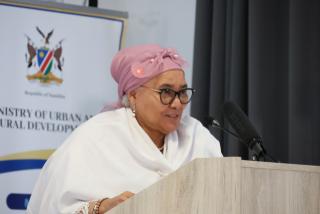
WINDHOEK, 19 October 2025 – Charlotte Neuhäuser, a member of the left-wing party Die Linke, affirmed her party’s support for Ovaherero and Nama demands for recognition, an apology, and justice for colonial atrocities. (Photo by: Uakutura Kambaekua) NAMPA
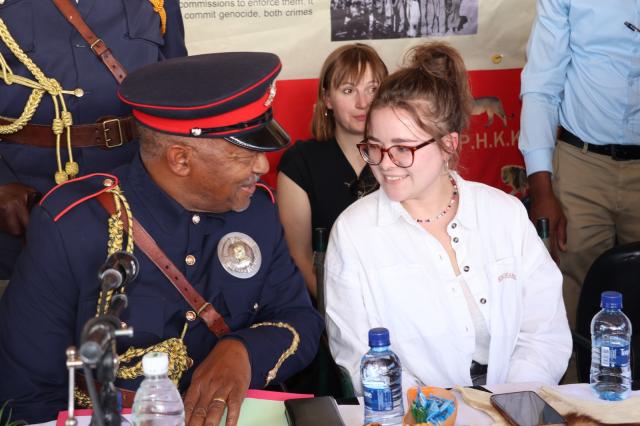
WINDHOEK, 19 October 2025 – Charlotte Neuhäuser, a member of the left-wing party Die Linke, affirmed her party’s support for Ovaherero and Nama demands for recognition, an apology, and justice for colonial atrocities. (Photo by: Uakutura Kambaekua) NAMPA

NAMPA
WINDHOEK, 19 October 2025 – Ovaherero Chief Professor Mutjinde Katjiua pictured with Charlotte Neuhäuser, a member of the German Bundestag from the left-wing party Die Linke, at a press briefing in Windhoek on Monday. (Photo by: Uakutura Kambaekua) NAMPA
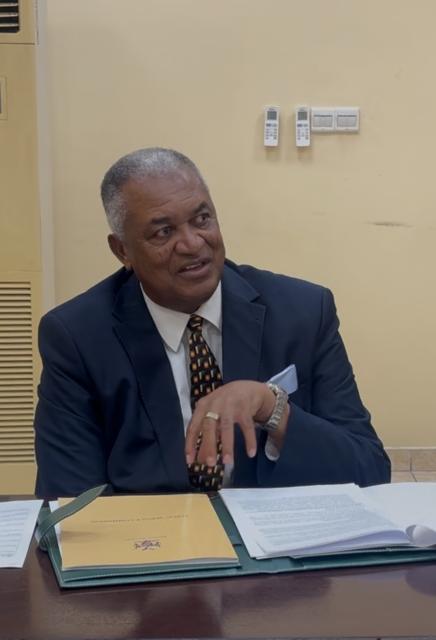
WINDHOEK, 19 October 2025 – Ovaherero Chief Professor Mutjinde Katjiua pictured with Charlotte Neuhäuser, a member of the German Bundestag from the left-wing party Die Linke, at a press briefing in Windhoek on Monday. (Photo by: Uakutura Kambaekua) NAMPA

NAMPA
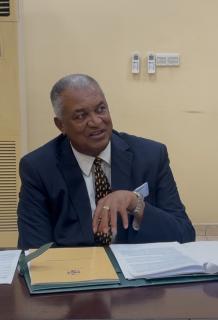
RUNDU, 19 October 2026 - The Public Service Commission Chairperson Ambassador Patrick Nandago speaking during a consultation meeting at Rundu on Monday. (Photo by: Sawi Hausiku) NAMPA

RUNDU, 19 October 2026 - The Public Service Commission Chairperson Ambassador Patrick Nandago speaking during a consultation meeting at Rundu on Monday. (Photo by: Sawi Hausiku) NAMPA

NAMPA
OKANGHUDI, 11 February 2025 - Former President Hifikepunye Pohamba pictured at his village home in Okanghudi, located in the Ondobe Constituency of the Ohangwena Region in Northern Namibia. (Photo: Hesron Kapanga) NAMPA
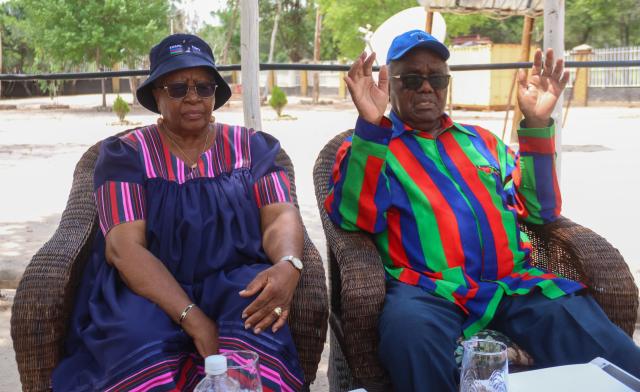
OKANGHUDI, 11 February 2025 - Former President Hifikepunye Pohamba pictured at his village home in Okanghudi, located in the Ondobe Constituency of the Ohangwena Region in Northern Namibia. (Photo: Hesron Kapanga) NAMPA

NAMPA
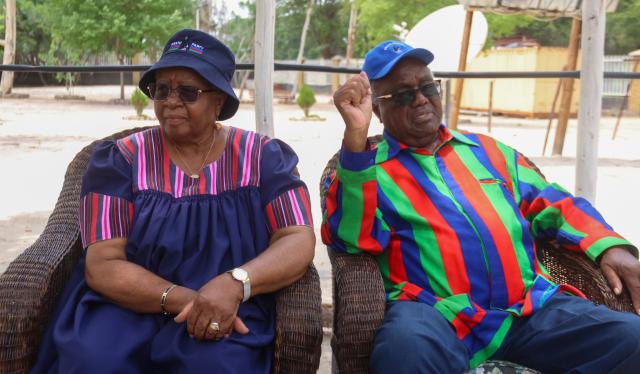
OKANGHUDI, 11 February 2025 - Former President Hifikepunye Pohamba (right) and his wife, the former First Lady Penehupifo Pohamba (left) pictured at their home at Okanghudi in the Ohangwena Region. (Photo: Hesron Kapanga) NAMPA
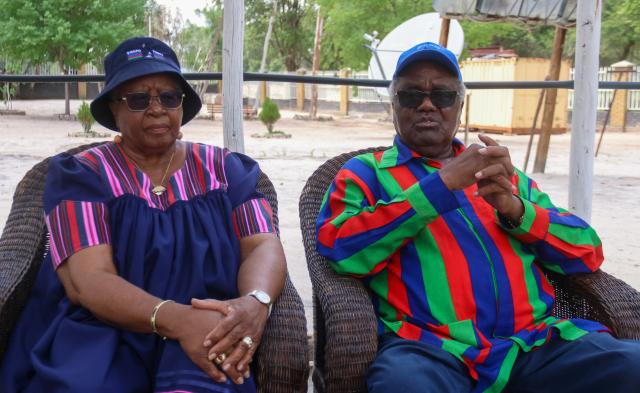
OKANGHUDI, 11 February 2025 - Former President Hifikepunye Pohamba (right) and his wife, the former First Lady Penehupifo Pohamba (left) pictured at their home at Okanghudi in the Ohangwena Region. (Photo: Hesron Kapanga) NAMPA

NAMPA
OKANGHUDI, 11 February 2025 - Former President Hifikepunye Pohamba (right) and his wife, the former First Lady Penehupifo Pohamba (left) pictured at their home at Okanghudi in the Ondobe Constituency of the Ohangwena Region. (Photo: Hesron Kapanga) NAMPA
OKANGHUDI, 11 February 2025 - Former President Hifikepunye Pohamba (right) and his wife, the former First Lady Penehupifo Pohamba (left) pictured at their home at Okanghudi in the Ondobe Constituency of the Ohangwena Region. (Photo: Hesron Kapanga) NAMPA

NAMPA
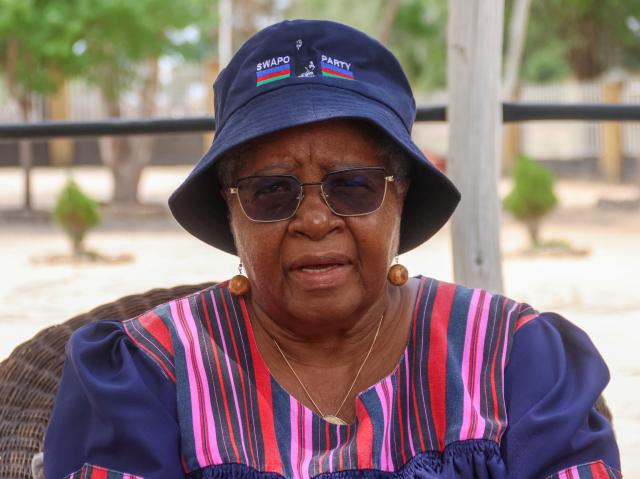
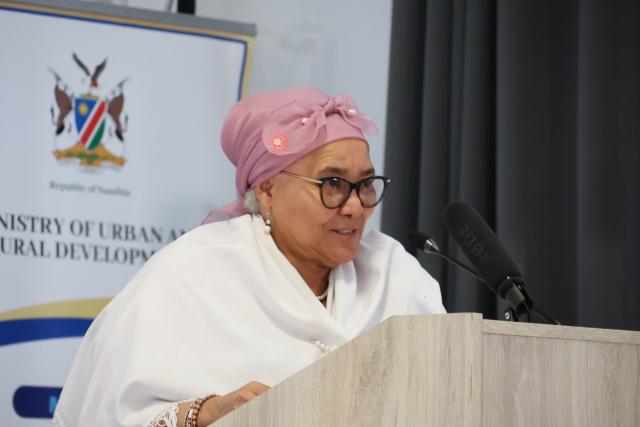
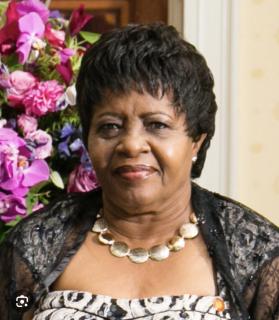
OKANGHUDI, 11 February 2025 - Former First Lady of Namibia, Penehupifo Pohamba, pictured at Okanghudi in the Ondobe Constituency of the Ohangwena Region. (Photo: Hesron Kapanga) NAMPA
OKANGHUDI, 11 February 2025 - Former First Lady of Namibia, Penehupifo Pohamba, pictured at Okanghudi in the Ondobe Constituency of the Ohangwena Region. (Photo: Hesron Kapanga) NAMPA

NAMPA
OKANGHUDI, 11 February 2025 - Former President Hifikepunye Pohamba (right) and his wife, the former First Lady Penehupifo Pohamba (left) pictured at their home at Okanghudi in the Ohangwena Region. (Photo: Hesron Kapanga) NAMPA
OKANGHUDI, 11 February 2025 - Former President Hifikepunye Pohamba (right) and his wife, the former First Lady Penehupifo Pohamba (left) pictured at their home at Okanghudi in the Ohangwena Region. (Photo: Hesron Kapanga) NAMPA

NAMPA
Comprehensive Compelling Credible Content
#14
Namibian Regions
#23
Journalists
#16
SADC Countries
#123 000
Monthly Website Users
Top News Site
In Southern Africa
#10
Partner Agencies Across the globe

International News Photos

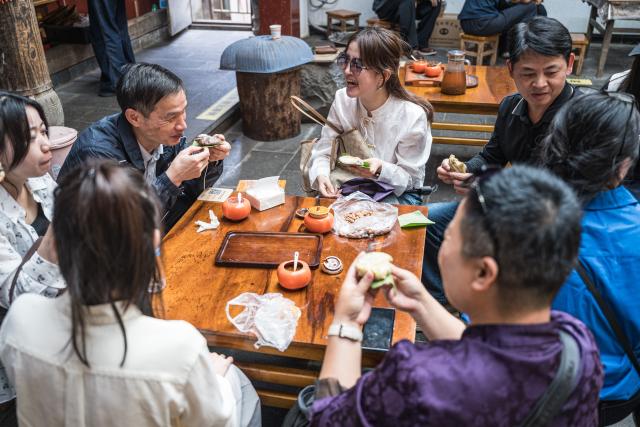
(261020) -- TENGCHONG, Oct. 20, 2026 (Xinhua) -- Tourists enjoy local snacks in Simola Wa Village in Qingshui Town of Tengchong City, southwest China's Yunnan Province, Oct. 19, 2026. The Simola Wa Village has a history of over 500 years and is home to people of multiple ethnic groups including the Wa, Han, Bai and Dai. Simola means "a place of happiness" in the Wa language. In recent years, the village has relied on its ethnic cultural resources to create a distinctive cultural tourism industry, attracting a continuous stream of tourists. (Xinhua/Wang Guansen)
(261020) -- TENGCHONG, Oct. 20, 2026 (Xinhua) -- Tourists enjoy local snacks in Simola Wa Village in Qingshui Town of Tengchong City, southwest China's Yunnan Province, Oct. 19, 2026. The Simola Wa Village has a history of over 500 years and is home to people of multiple ethnic groups including the Wa, Han, Bai and Dai. Simola means "a place of happiness" in the Wa language. In recent years, the village has relied on its ethnic cultural resources to create a distinctive cultural tourism industry, attracting a continuous stream of tourists. (Xinhua/Wang Guansen)
NAMPA / Xinhua
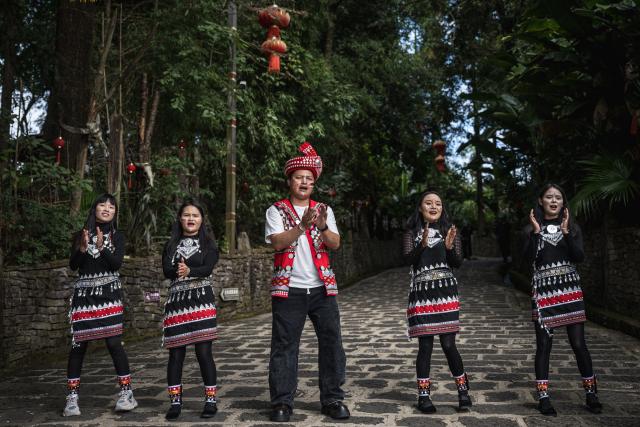
(261020) -- TENGCHONG, Oct. 20, 2026 (Xinhua) -- Artists perform ethnic dance in Simola Wa Village in Qingshui Town of Tengchong City, southwest China's Yunnan Province, Oct. 19, 2026. The Simola Wa Village has a history of over 500 years and is home to people of multiple ethnic groups including the Wa, Han, Bai and Dai. Simola means "a place of happiness" in the Wa language. In recent years, the village has relied on its ethnic cultural resources to create a distinctive cultural tourism industry, attracting a continuous stream of tourists. (Xinhua/Wang Guansen)

(261020) -- TENGCHONG, Oct. 20, 2026 (Xinhua) -- Artists perform ethnic dance in Simola Wa Village in Qingshui Town of Tengchong City, southwest China's Yunnan Province, Oct. 19, 2026. The Simola Wa Village has a history of over 500 years and is home to people of multiple ethnic groups including the Wa, Han, Bai and Dai. Simola means "a place of happiness" in the Wa language. In recent years, the village has relied on its ethnic cultural resources to create a distinctive cultural tourism industry, attracting a continuous stream of tourists. (Xinhua/Wang Guansen)

NAMPA / Xinhua
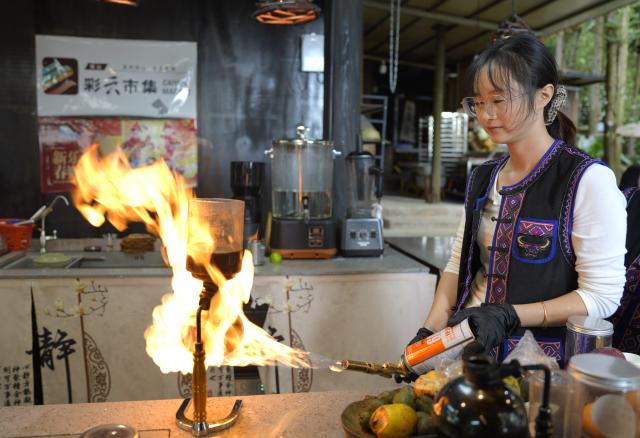
(261020) -- TENGCHONG, Oct. 20, 2026 (Xinhua) -- A staff member makes coffee at a cafe in Simola Wa Village in Qingshui Town of Tengchong City, southwest China's Yunnan Province, Oct. 19, 2026. The Simola Wa Village has a history of over 500 years and is home to people of multiple ethnic groups including the Wa, Han, Bai and Dai. Simola means "a place of happiness" in the Wa language. In recent years, the village has relied on its ethnic cultural resources to create a distinctive cultural tourism industry, attracting a continuous stream of tourists. (Xinhua/Wang Chutian)
(261020) -- TENGCHONG, Oct. 20, 2026 (Xinhua) -- A staff member makes coffee at a cafe in Simola Wa Village in Qingshui Town of Tengchong City, southwest China's Yunnan Province, Oct. 19, 2026. The Simola Wa Village has a history of over 500 years and is home to people of multiple ethnic groups including the Wa, Han, Bai and Dai. Simola means "a place of happiness" in the Wa language. In recent years, the village has relied on its ethnic cultural resources to create a distinctive cultural tourism industry, attracting a continuous stream of tourists. (Xinhua/Wang Chutian)

NAMPA / Xinhua
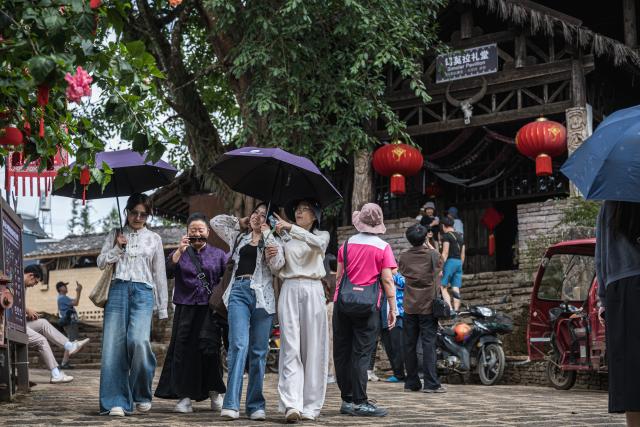
(261020) -- TENGCHONG, Oct. 20, 2026 (Xinhua) -- Tourists visit Simola Wa Village in Qingshui Town of Tengchong City, southwest China's Yunnan Province, Oct. 19, 2026. The Simola Wa Village has a history of over 500 years and is home to people of multiple ethnic groups including the Wa, Han, Bai and Dai. Simola means "a place of happiness" in the Wa language. In recent years, the village has relied on its ethnic cultural resources to create a distinctive cultural tourism industry, attracting a continuous stream of tourists. (Xinhua/Wang Guansen)
(261020) -- TENGCHONG, Oct. 20, 2026 (Xinhua) -- Tourists visit Simola Wa Village in Qingshui Town of Tengchong City, southwest China's Yunnan Province, Oct. 19, 2026. The Simola Wa Village has a history of over 500 years and is home to people of multiple ethnic groups including the Wa, Han, Bai and Dai. Simola means "a place of happiness" in the Wa language. In recent years, the village has relied on its ethnic cultural resources to create a distinctive cultural tourism industry, attracting a continuous stream of tourists. (Xinhua/Wang Guansen)
NAMPA / Xinhua
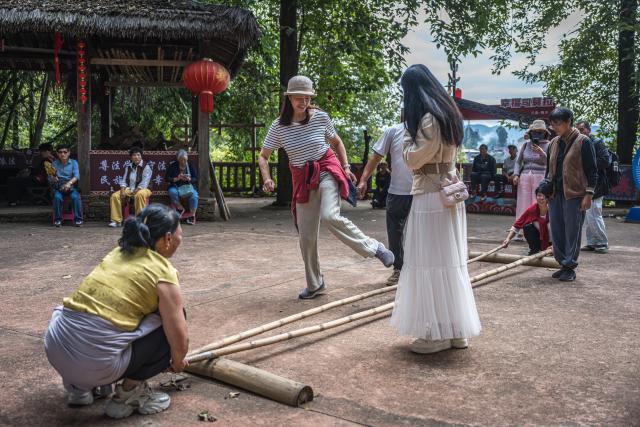
(261020) -- TENGCHONG, Oct. 20, 2026 (Xinhua) -- Tourists experience bamboo-stick dance in Simola Wa Village in Qingshui Town of Tengchong City, southwest China's Yunnan Province, Oct. 19, 2026. The Simola Wa Village has a history of over 500 years and is home to people of multiple ethnic groups including the Wa, Han, Bai and Dai. Simola means "a place of happiness" in the Wa language. In recent years, the village has relied on its ethnic cultural resources to create a distinctive cultural tourism industry, attracting a continuous stream of tourists. (Xinhua/Wang Guansen)
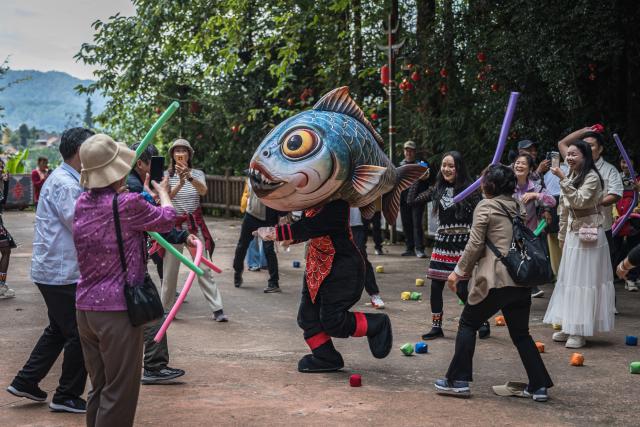
(261020) -- TENGCHONG, Oct. 20, 2026 (Xinhua) -- Tourists experience bamboo-stick dance in Simola Wa Village in Qingshui Town of Tengchong City, southwest China's Yunnan Province, Oct. 19, 2026. The Simola Wa Village has a history of over 500 years and is home to people of multiple ethnic groups including the Wa, Han, Bai and Dai. Simola means "a place of happiness" in the Wa language. In recent years, the village has relied on its ethnic cultural resources to create a distinctive cultural tourism industry, attracting a continuous stream of tourists. (Xinhua/Wang Guansen)
NAMPA / Xinhua
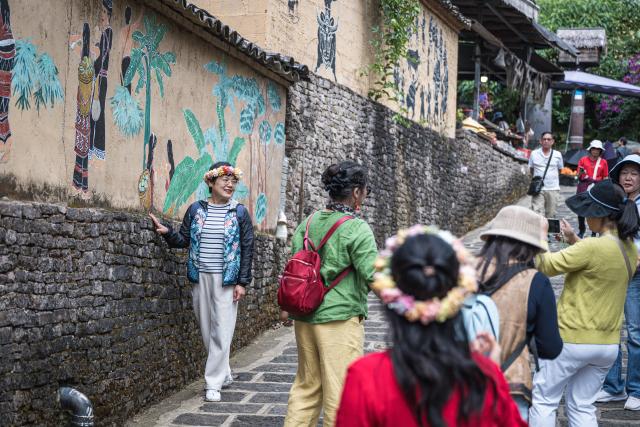
(261020) -- TENGCHONG, Oct. 20, 2026 (Xinhua) -- A tourist poses for photos in Simola Wa Village in Qingshui Town of Tengchong City, southwest China's Yunnan Province, Oct. 19, 2026. The Simola Wa Village has a history of over 500 years and is home to people of multiple ethnic groups including the Wa, Han, Bai and Dai. Simola means "a place of happiness" in the Wa language. In recent years, the village has relied on its ethnic cultural resources to create a distinctive cultural tourism industry, attracting a continuous stream of tourists. (Xinhua/Wang Guansen)

(261020) -- TENGCHONG, Oct. 20, 2026 (Xinhua) -- A tourist poses for photos in Simola Wa Village in Qingshui Town of Tengchong City, southwest China's Yunnan Province, Oct. 19, 2026. The Simola Wa Village has a history of over 500 years and is home to people of multiple ethnic groups including the Wa, Han, Bai and Dai. Simola means "a place of happiness" in the Wa language. In recent years, the village has relied on its ethnic cultural resources to create a distinctive cultural tourism industry, attracting a continuous stream of tourists. (Xinhua/Wang Guansen)

NAMPA / Xinhua
(261020) -- TENGCHONG, Oct. 20, 2026 (Xinhua) -- Tourists participate in a folk activity in Simola Wa Village in Qingshui Town of Tengchong City, southwest China's Yunnan Province, Oct. 19, 2026. The Simola Wa Village has a history of over 500 years and is home to people of multiple ethnic groups including the Wa, Han, Bai and Dai. Simola means "a place of happiness" in the Wa language. In recent years, the village has relied on its ethnic cultural resources to create a distinctive cultural tourism industry, attracting a continuous stream of tourists. (Xinhua/Wang Guansen)

(261020) -- TENGCHONG, Oct. 20, 2026 (Xinhua) -- Tourists participate in a folk activity in Simola Wa Village in Qingshui Town of Tengchong City, southwest China's Yunnan Province, Oct. 19, 2026. The Simola Wa Village has a history of over 500 years and is home to people of multiple ethnic groups including the Wa, Han, Bai and Dai. Simola means "a place of happiness" in the Wa language. In recent years, the village has relied on its ethnic cultural resources to create a distinctive cultural tourism industry, attracting a continuous stream of tourists. (Xinhua/Wang Guansen)

NAMPA / Xinhua
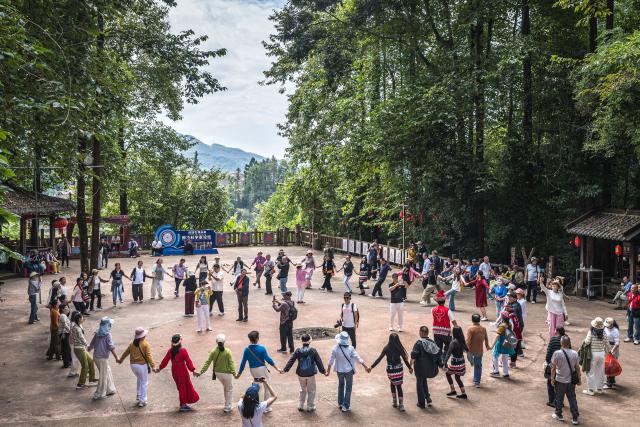
(261020) -- TENGCHONG, Oct. 20, 2026 (Xinhua) -- Tourists participate in a dance with artists in Simola Wa Village in Qingshui Town of Tengchong City, southwest China's Yunnan Province, Oct. 19, 2026. The Simola Wa Village has a history of over 500 years and is home to people of multiple ethnic groups including the Wa, Han, Bai and Dai. Simola means "a place of happiness" in the Wa language. In recent years, the village has relied on its ethnic cultural resources to create a distinctive cultural tourism industry, attracting a continuous stream of tourists. (Xinhua/Wang Guansen)
(261020) -- TENGCHONG, Oct. 20, 2026 (Xinhua) -- Tourists participate in a dance with artists in Simola Wa Village in Qingshui Town of Tengchong City, southwest China's Yunnan Province, Oct. 19, 2026. The Simola Wa Village has a history of over 500 years and is home to people of multiple ethnic groups including the Wa, Han, Bai and Dai. Simola means "a place of happiness" in the Wa language. In recent years, the village has relied on its ethnic cultural resources to create a distinctive cultural tourism industry, attracting a continuous stream of tourists. (Xinhua/Wang Guansen)

NAMPA / Xinhua