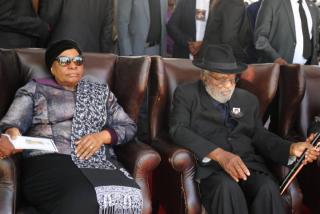
Nampa News Photos

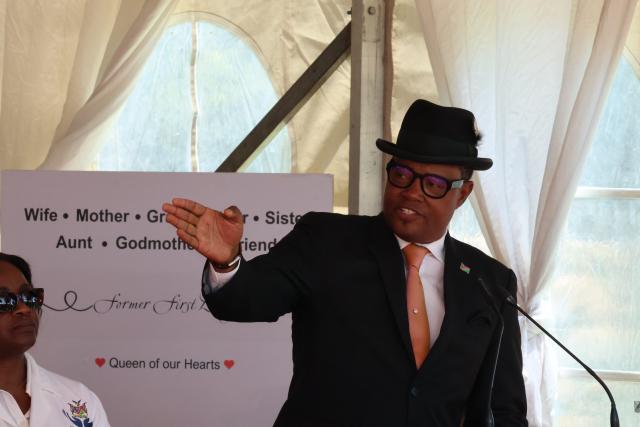
WINDHOEK, 24 October 2026 – Opposition leader McHenry Venaani addressing mourners at the memorial service of former First Lady Penehupifo Pohamba (Photo: Andreas Thomas) NAMPA

WINDHOEK, 24 October 2026 – Opposition leader McHenry Venaani addressing mourners at the memorial service of former First Lady Penehupifo Pohamba (Photo: Andreas Thomas) NAMPA
NAMPA
WINDHOEK, 24 October 2026 – Former Health Minister Dr Richard Kamwi addressing mourners at the memorial service of former First Lady Penehupifo Pohamba (Photo: Andreas Thomas) NAMPA

WINDHOEK, 24 October 2026 – Former Health Minister Dr Richard Kamwi addressing mourners at the memorial service of former First Lady Penehupifo Pohamba (Photo: Andreas Thomas) NAMPA

NAMPA
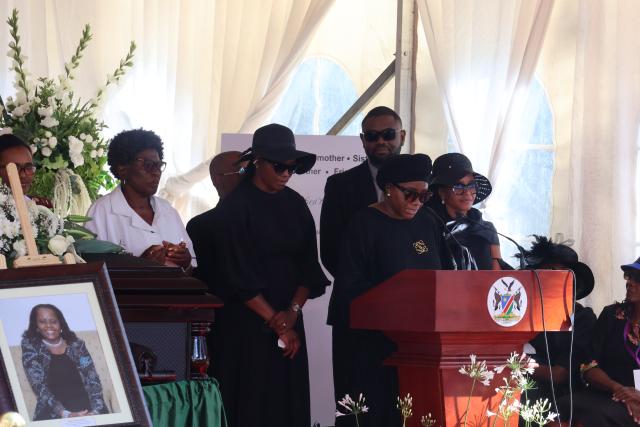
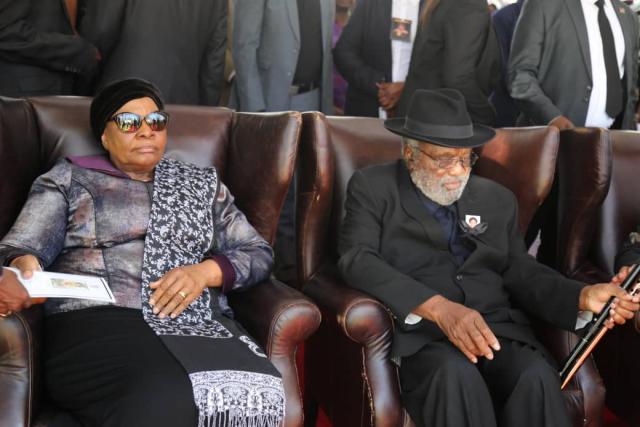
WINDHOEK, 24 October 2024 – Ndapanda Pohamba flanked by four other siblings during the memorial service of their late mother, Penehupifo Pohamba (Photo: Andreas Thomas) NAMPA
WINDHOEK, 24 October 2024 – Ndapanda Pohamba flanked by four other siblings during the memorial service of their late mother, Penehupifo Pohamba (Photo: Andreas Thomas) NAMPA

NAMPA
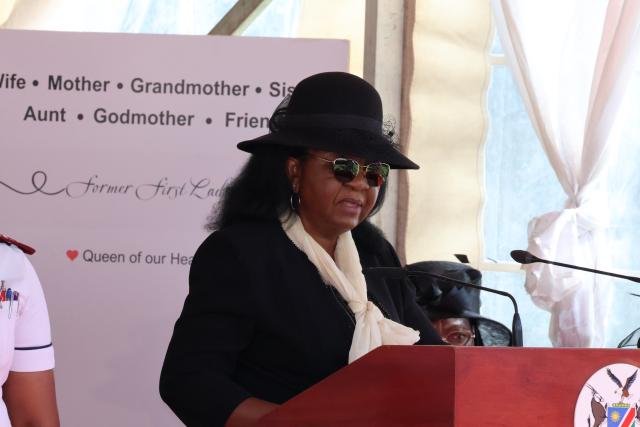
WINDHOEK, 24 October 2026 – Swapo Party Secretary General Sophia Shaningwa addresses mourners during the memorial service of former First Lady Penehupifo Pohamba (Photo: Andreas Thomas) NAMPA

WINDHOEK, 24 October 2026 – Swapo Party Secretary General Sophia Shaningwa addresses mourners during the memorial service of former First Lady Penehupifo Pohamba (Photo: Andreas Thomas) NAMPA

NAMPA
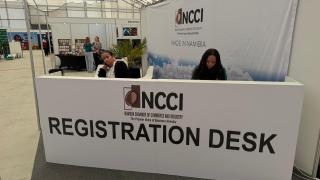
MARIENTAL, 23 October 2026- Mariental Trade Festival officially opens. (Photo: Joe-Chintha Garises) Nampa
MARIENTAL, 23 October 2026- Mariental Trade Festival officially opens. (Photo: Joe-Chintha Garises) Nampa

NAMPA
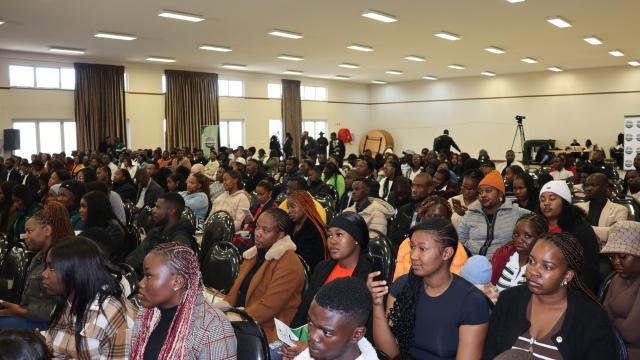
SWAKOPMUND, 19 June 2026 - Youth delegates gathered at the multipurpose centre in Swakopmund in January 2026 for the third National Youth Council of Namibia general assembly. (Photo by: Isabel Bento) NAMPA
SWAKOPMUND, 19 June 2026 - Youth delegates gathered at the multipurpose centre in Swakopmund in January 2026 for the third National Youth Council of Namibia general assembly. (Photo by: Isabel Bento) NAMPA

NAMPA
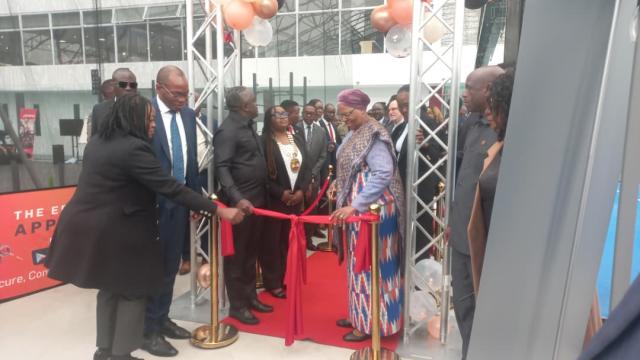
SWAKOPMUND, 23 October 2026 - President Netumbo Nandi-Netumbo officially inaugurates the Swakopmund International Expo at Swakopmund. (Photo contributed)

SWAKOPMUND, 23 October 2026 - President Netumbo Nandi-Netumbo officially inaugurates the Swakopmund International Expo at Swakopmund. (Photo contributed)

NAMPA
SWAKOPMUND, 23 October 2026 - President Netumbo Nandi-Ndaitwah speaking at the opening of the Swakopmund International Trade Expo (SWAiTEX) at Swakopmund on Friday. (Photo by: Isabel Bento) NAMPA
SWAKOPMUND, 23 October 2026 - President Netumbo Nandi-Ndaitwah speaking at the opening of the Swakopmund International Trade Expo (SWAiTEX) at Swakopmund on Friday. (Photo by: Isabel Bento) NAMPA

NAMPA
Comprehensive Compelling Credible Content
#14
Namibian Regions
#23
Journalists
#16
SADC Countries
#123 000
Monthly Website Users
Top News Site
In Southern Africa
#10
Partner Agencies Across the globe

International News Photos

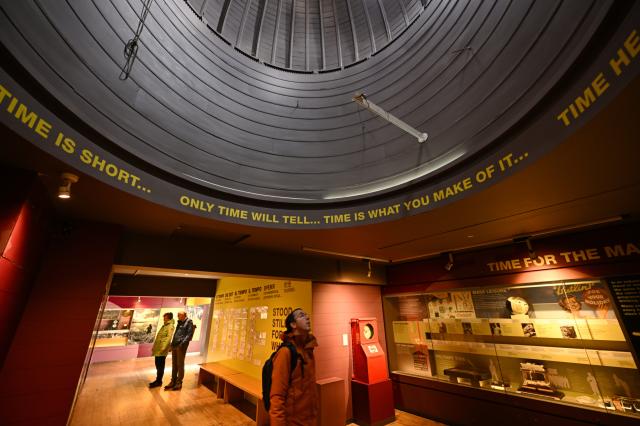
(261026) -- LONDON, Oct. 26, 2026 (Xinhua) -- A visitor views a time-themed exhibition at the Royal Observatory in Greenwich, London, Britain, on Oct. 25, 2026. The Royal Observatory in Greenwich was founded in 1675 to improve navigation at sea through astronomical observations and help ships determine their longitude. As the home of Greenwich Mean Time, it holds an important place in the history of astronomy, precision timekeeping and navigation. In 1884, the meridian passing through the observatory was adopted as the international Prime Meridian, establishing a common reference for measuring longitude worldwide. This historic line is still marked at the observatory today. (Xinhua/Li Mangmang)
(261026) -- LONDON, Oct. 26, 2026 (Xinhua) -- A visitor views a time-themed exhibition at the Royal Observatory in Greenwich, London, Britain, on Oct. 25, 2026. The Royal Observatory in Greenwich was founded in 1675 to improve navigation at sea through astronomical observations and help ships determine their longitude. As the home of Greenwich Mean Time, it holds an important place in the history of astronomy, precision timekeeping and navigation. In 1884, the meridian passing through the observatory was adopted as the international Prime Meridian, establishing a common reference for measuring longitude worldwide. This historic line is still marked at the observatory today. (Xinhua/Li Mangmang)
NAMPA / Xinhua
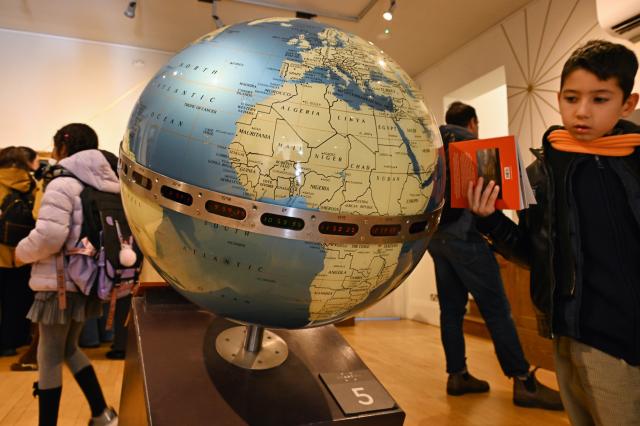
(261026) -- LONDON, Oct. 26, 2026 (Xinhua) -- A young visitor views a large globe displaying the time around the world at the Royal Observatory in Greenwich, London, Britain, on Oct. 25, 2026. The Royal Observatory in Greenwich was founded in 1675 to improve navigation at sea through astronomical observations and help ships determine their longitude. As the home of Greenwich Mean Time, it holds an important place in the history of astronomy, precision timekeeping and navigation. In 1884, the meridian passing through the observatory was adopted as the international Prime Meridian, establishing a common reference for measuring longitude worldwide. This historic line is still marked at the observatory today. (Xinhua/Li Mangmang)
(261026) -- LONDON, Oct. 26, 2026 (Xinhua) -- A young visitor views a large globe displaying the time around the world at the Royal Observatory in Greenwich, London, Britain, on Oct. 25, 2026. The Royal Observatory in Greenwich was founded in 1675 to improve navigation at sea through astronomical observations and help ships determine their longitude. As the home of Greenwich Mean Time, it holds an important place in the history of astronomy, precision timekeeping and navigation. In 1884, the meridian passing through the observatory was adopted as the international Prime Meridian, establishing a common reference for measuring longitude worldwide. This historic line is still marked at the observatory today. (Xinhua/Li Mangmang)
NAMPA / Xinhua
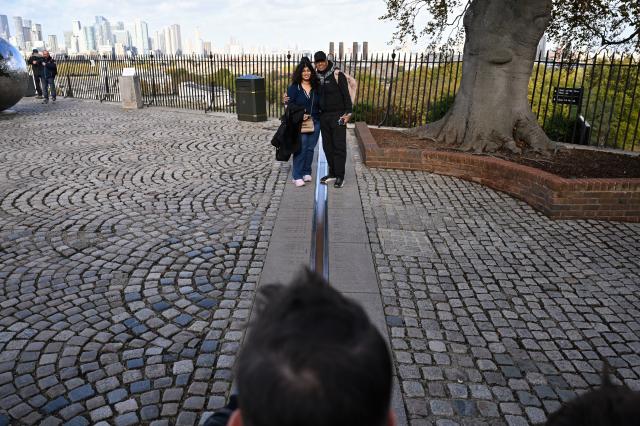
(261026) -- LONDON, Oct. 26, 2026 (Xinhua) -- A couple pose for photos at the historic Prime Meridian line at the Royal Observatory in Greenwich, London, Britain, on Oct. 25, 2026. The Royal Observatory in Greenwich was founded in 1675 to improve navigation at sea through astronomical observations and help ships determine their longitude. As the home of Greenwich Mean Time, it holds an important place in the history of astronomy, precision timekeeping and navigation. In 1884, the meridian passing through the observatory was adopted as the international Prime Meridian, establishing a common reference for measuring longitude worldwide. This historic line is still marked at the observatory today. (Xinhua/Li Mangmang)
(261026) -- LONDON, Oct. 26, 2026 (Xinhua) -- A couple pose for photos at the historic Prime Meridian line at the Royal Observatory in Greenwich, London, Britain, on Oct. 25, 2026. The Royal Observatory in Greenwich was founded in 1675 to improve navigation at sea through astronomical observations and help ships determine their longitude. As the home of Greenwich Mean Time, it holds an important place in the history of astronomy, precision timekeeping and navigation. In 1884, the meridian passing through the observatory was adopted as the international Prime Meridian, establishing a common reference for measuring longitude worldwide. This historic line is still marked at the observatory today. (Xinhua/Li Mangmang)
NAMPA / Xinhua
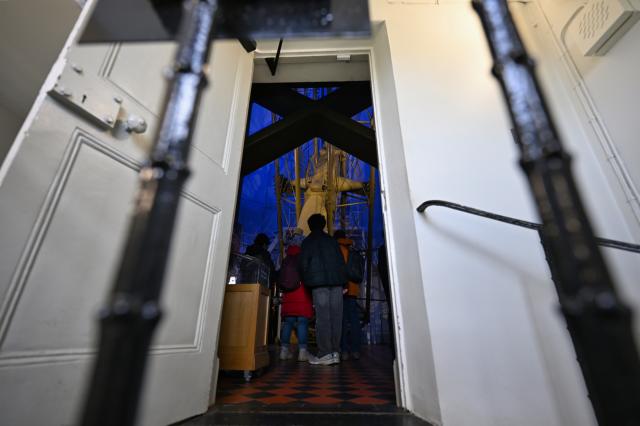
(261026) -- LONDON, Oct. 26, 2026 (Xinhua) -- Visitors view the Great Equatorial Telescope at the Royal Observatory in Greenwich, London, Britain, on Oct. 25, 2026. Installed in 1893, it is the largest refracting telescope in Britain and was used mainly to observe binary stars. The Royal Observatory in Greenwich was founded in 1675 to improve navigation at sea through astronomical observations and help ships determine their longitude. As the home of Greenwich Mean Time, it holds an important place in the history of astronomy, precision timekeeping and navigation. In 1884, the meridian passing through the observatory was adopted as the international Prime Meridian, establishing a common reference for measuring longitude worldwide. This historic line is still marked at the observatory today. (Xinhua/Li Mangmang)
(261026) -- LONDON, Oct. 26, 2026 (Xinhua) -- Visitors view the Great Equatorial Telescope at the Royal Observatory in Greenwich, London, Britain, on Oct. 25, 2026. Installed in 1893, it is the largest refracting telescope in Britain and was used mainly to observe binary stars. The Royal Observatory in Greenwich was founded in 1675 to improve navigation at sea through astronomical observations and help ships determine their longitude. As the home of Greenwich Mean Time, it holds an important place in the history of astronomy, precision timekeeping and navigation. In 1884, the meridian passing through the observatory was adopted as the international Prime Meridian, establishing a common reference for measuring longitude worldwide. This historic line is still marked at the observatory today. (Xinhua/Li Mangmang)

NAMPA / Xinhua
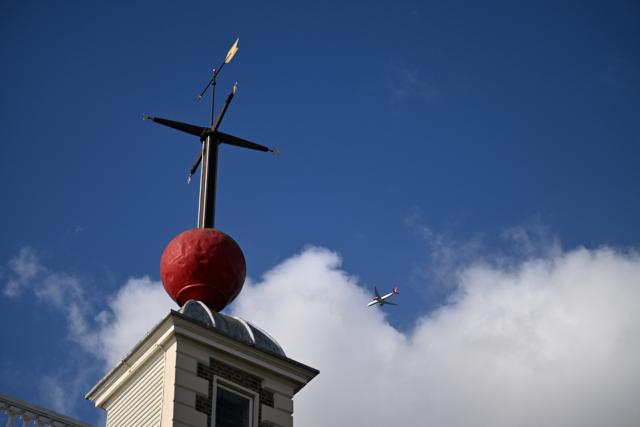
(261026) -- LONDON, Oct. 26, 2026 (Xinhua) -- The red Time Ball atop Flamsteed House at the Royal Observatory in Greenwich is seen in London, Britain, on Oct. 25, 2026. Flamsteed House was the home and workplace of John Flamsteed, Britain's first Astronomer Royal. The rooftop Time Ball began operating in 1833, dropping at a set time to help ships on the River Thames check their marine chronometers. The Royal Observatory in Greenwich was founded in 1675 to improve navigation at sea through astronomical observations and help ships determine their longitude. As the home of Greenwich Mean Time, it holds an important place in the history of astronomy, precision timekeeping and navigation. In 1884, the meridian passing through the observatory was adopted as the international Prime Meridian, establishing a common reference for measuring longitude worldwide. This historic line is still marked at the observatory today. (Xinhua/Li Mangmang)

(261026) -- LONDON, Oct. 26, 2026 (Xinhua) -- The red Time Ball atop Flamsteed House at the Royal Observatory in Greenwich is seen in London, Britain, on Oct. 25, 2026. Flamsteed House was the home and workplace of John Flamsteed, Britain's first Astronomer Royal. The rooftop Time Ball began operating in 1833, dropping at a set time to help ships on the River Thames check their marine chronometers. The Royal Observatory in Greenwich was founded in 1675 to improve navigation at sea through astronomical observations and help ships determine their longitude. As the home of Greenwich Mean Time, it holds an important place in the history of astronomy, precision timekeeping and navigation. In 1884, the meridian passing through the observatory was adopted as the international Prime Meridian, establishing a common reference for measuring longitude worldwide. This historic line is still marked at the observatory today. (Xinhua/Li Mangmang)

NAMPA / Xinhua
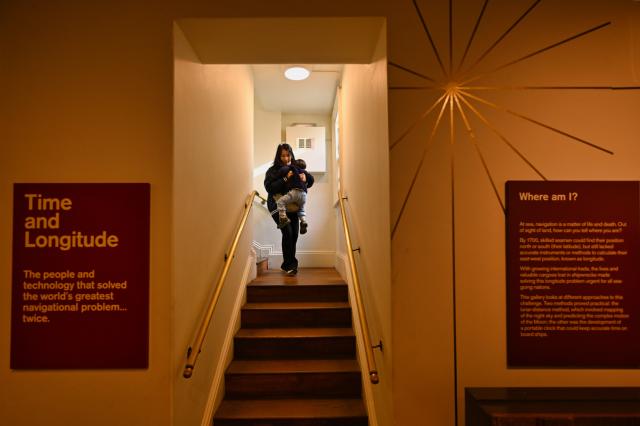
(261026) -- LONDON, Oct. 26, 2026 (Xinhua) -- A visitor carries a baby as she heads for an exhibition themed on time and longitude at the Royal Observatory in Greenwich, London, Britain, on Oct. 25, 2026. The Royal Observatory in Greenwich was founded in 1675 to improve navigation at sea through astronomical observations and help ships determine their longitude. As the home of Greenwich Mean Time, it holds an important place in the history of astronomy, precision timekeeping and navigation. In 1884, the meridian passing through the observatory was adopted as the international Prime Meridian, establishing a common reference for measuring longitude worldwide. This historic line is still marked at the observatory today. (Xinhua/Li Mangmang)

(261026) -- LONDON, Oct. 26, 2026 (Xinhua) -- A visitor carries a baby as she heads for an exhibition themed on time and longitude at the Royal Observatory in Greenwich, London, Britain, on Oct. 25, 2026. The Royal Observatory in Greenwich was founded in 1675 to improve navigation at sea through astronomical observations and help ships determine their longitude. As the home of Greenwich Mean Time, it holds an important place in the history of astronomy, precision timekeeping and navigation. In 1884, the meridian passing through the observatory was adopted as the international Prime Meridian, establishing a common reference for measuring longitude worldwide. This historic line is still marked at the observatory today. (Xinhua/Li Mangmang)
NAMPA / Xinhua
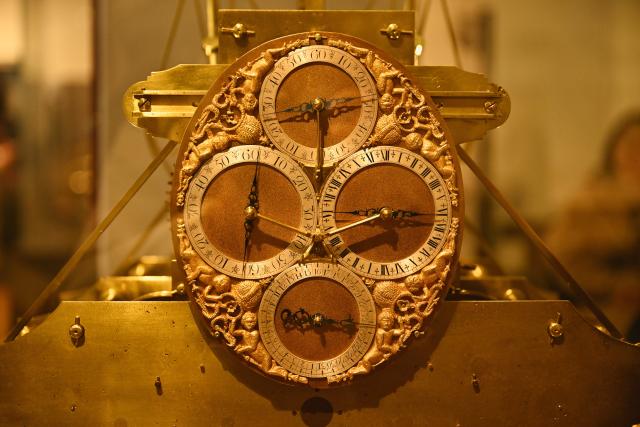
(261026) -- LONDON, Oct. 26, 2026 (Xinhua) -- This photo taken on Oct. 25, 2026 shows a close-up view of a replica of John Harrison's H1 marine timekeeper at the Royal Observatory in Greenwich, London, Britain. Completed in 1735, H1 was Harrison's first experimental marine timekeeper, designed to help solve the problem of determining longitude at sea. The Royal Observatory in Greenwich was founded in 1675 to improve navigation at sea through astronomical observations and help ships determine their longitude. As the home of Greenwich Mean Time, it holds an important place in the history of astronomy, precision timekeeping and navigation. In 1884, the meridian passing through the observatory was adopted as the international Prime Meridian, establishing a common reference for measuring longitude worldwide. This historic line is still marked at the observatory today. (Xinhua/Li Mangmang)

(261026) -- LONDON, Oct. 26, 2026 (Xinhua) -- This photo taken on Oct. 25, 2026 shows a close-up view of a replica of John Harrison's H1 marine timekeeper at the Royal Observatory in Greenwich, London, Britain. Completed in 1735, H1 was Harrison's first experimental marine timekeeper, designed to help solve the problem of determining longitude at sea. The Royal Observatory in Greenwich was founded in 1675 to improve navigation at sea through astronomical observations and help ships determine their longitude. As the home of Greenwich Mean Time, it holds an important place in the history of astronomy, precision timekeeping and navigation. In 1884, the meridian passing through the observatory was adopted as the international Prime Meridian, establishing a common reference for measuring longitude worldwide. This historic line is still marked at the observatory today. (Xinhua/Li Mangmang)
NAMPA / Xinhua
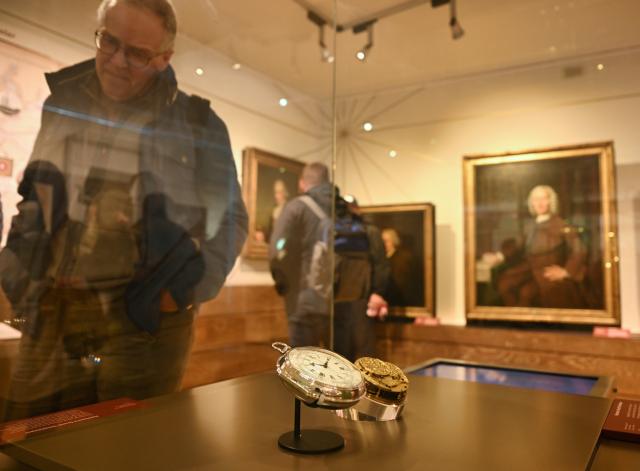
(261026) -- LONDON, Oct. 26, 2026 (Xinhua) -- A visitor looks at John Harrison's H4 marine timekeeper at the Royal Observatory in Greenwich, London, Britain, on Oct. 25, 2026. Completed in 1759, H4 helped solve the problem of determining longitude at sea through accurate timekeeping. The Royal Observatory in Greenwich was founded in 1675 to improve navigation at sea through astronomical observations and help ships determine their longitude. As the home of Greenwich Mean Time, it holds an important place in the history of astronomy, precision timekeeping and navigation. In 1884, the meridian passing through the observatory was adopted as the international Prime Meridian, establishing a common reference for measuring longitude worldwide. This historic line is still marked at the observatory today. (Xinhua/Li Mangmang)

(261026) -- LONDON, Oct. 26, 2026 (Xinhua) -- A visitor looks at John Harrison's H4 marine timekeeper at the Royal Observatory in Greenwich, London, Britain, on Oct. 25, 2026. Completed in 1759, H4 helped solve the problem of determining longitude at sea through accurate timekeeping. The Royal Observatory in Greenwich was founded in 1675 to improve navigation at sea through astronomical observations and help ships determine their longitude. As the home of Greenwich Mean Time, it holds an important place in the history of astronomy, precision timekeeping and navigation. In 1884, the meridian passing through the observatory was adopted as the international Prime Meridian, establishing a common reference for measuring longitude worldwide. This historic line is still marked at the observatory today. (Xinhua/Li Mangmang)

NAMPA / Xinhua