WINDHOEK, 09 September 2026 - NHP representatives and journalists from various media houses at the NHP media engagement session held in Windhoek on Wednesday. (Photo: Contributed)
WINDHOEK, 09 September 2026 - Minister of Industries, Mines and Energy Modestus Amutse (second from left sitted)) pictured with delegates at the Second International Conference on Finance and Sustainable Business (ICFSB 2026) hosted at NUST's Harold Pupkewitz Graduate School of Business on Wednesday. (Photo: Contributed) NAMPA.
WINDHOEK, 09 September 2026 - Young Warriors goalkeeper Micheni Kavendjii during the Under-20 national team announcement ahead of the Confederation of Southern African Football Associations (COSAFA) Under-20 Championship in Mozambique. (Photo: Hesron Kapanga) NAMPA
WINDHOEK, 09 September 2026 - Young Warriors head coach Lucky Shipanga (right) and team goalkeeper Micheni Kavendjii during the Under-20 national team announcement ahead of the Cosafa Under-20 Championship in Mozambique. (Photo: Hesron Kapanga) NAMPA
WINDHOEK, 09 September 2026 - Young Warriors head coach Lucky Shipanga (right) and team goalkeeper Micheni Kavendjii during the Under-20 national team announcement ahead of the Confederation of Southern African Football Associations (COSAFA) Under-20 Championship in Mozambique. (Photo: Hesron Kapanga) NAMPA
WINDHOEK, 02 September 2026 - Minister of Finance, Ericah Shafuda, addresses members of the public during the Creative, Sport and Tourism Expo that was held at the Hage Geingob Rugby Stadium in Windhoek. (Photo: Hesron Kapanga) NAMPA
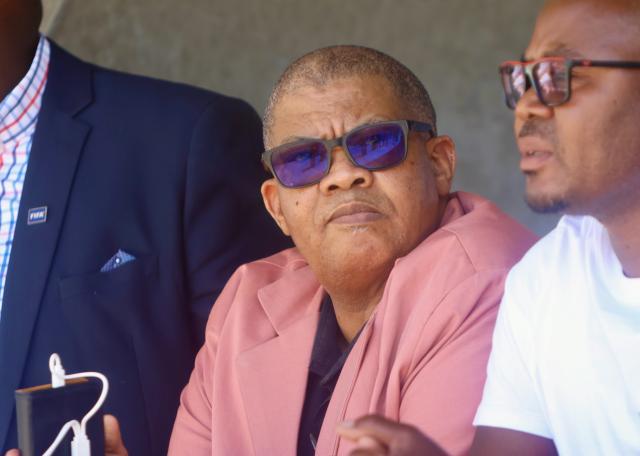
WINDHOEK, 02 September 2026 - Minister of Finance, Ericah Shafudah, addresses members of the public during the Creative, Sport and Tourism Expo, that was held at the Hage Geingob Rugby Stadium in Windhoek in September 2026. (Photo: Hesron Kapanga) NAMPA
(260909) -- XI'AN, Sept. 9, 2026 (Xinhua) -- A restoration specialist debugs sensors for terracotta warrior restoration at the on-site conservation lab of the Pit No.1 of the Emperor Qinshihuang's Mausoleum Site Museum in Xi'an, northwest China's Shaanxi Province, Sept. 3, 2026. At the world-famous Terracotta Warriors site in Xi'an, visitors can now witness a once behind-the-scenes process -- experts meticulously restoring over 2,000-year-old clay soldiers. At the newly launched conservation lab in Pit No. 1, specialists piece fragmented pottery together manually, reviving scattered relics into solemn and life-size warriors. The lab officially opened in 2024, celebrating the 50th anniversary of the discovery and excavation of the iconic Terracotta Warriors. A professional excavation and preservation facility in Pit No. 2 was also completed and put into operation. The two facilities form a full-cycle conservation system covering excavation, transportation, restoration and storage. This advanced system greatly improves the protection of the warriors' original pigments. Buried underground for over 2,000 years, the Terracotta Warriors suffered severe damage from fires, soil collapses and underground water fluctuations, with most original colors fading away over time. Previously, surviving paint layer would easily curl, peel or flake off once exposed to drastic environmental changes after excavation. Today, newly unearthed painted relics are directly transferred to the on-site lab. Through keeping stable humidity control, ultrasonic inspection, 3D scanning, professional cleaning and reinforcement treatment, researchers now do their utmost to preserve the warriors' ancient original hues. (Xinhua/Li Yibo)
(260909) -- XI'AN, Sept. 9, 2026 (Xinhua) -- A restoration specialist checks a piece of excavated terracotta warrior fragment at the on-site conservation lab of the Pit No.1 of the Emperor Qinshihuang's Mausoleum Site Museum in Xi'an, northwest China's Shaanxi Province, Sept. 3, 2026. At the world-famous Terracotta Warriors site in Xi'an, visitors can now witness a once behind-the-scenes process -- experts meticulously restoring over 2,000-year-old clay soldiers. At the newly launched conservation lab in Pit No. 1, specialists piece fragmented pottery together manually, reviving scattered relics into solemn and life-size warriors. The lab officially opened in 2024, celebrating the 50th anniversary of the discovery and excavation of the iconic Terracotta Warriors. A professional excavation and preservation facility in Pit No. 2 was also completed and put into operation. The two facilities form a full-cycle conservation system covering excavation, transportation, restoration and storage. This advanced system greatly improves the protection of the warriors' original pigments. Buried underground for over 2,000 years, the Terracotta Warriors suffered severe damage from fires, soil collapses and underground water fluctuations, with most original colors fading away over time. Previously, surviving paint layer would easily curl, peel or flake off once exposed to drastic environmental changes after excavation. Today, newly unearthed painted relics are directly transferred to the on-site lab. Through keeping stable humidity control, ultrasonic inspection, 3D scanning, professional cleaning and reinforcement treatment, researchers now do their utmost to preserve the warriors' ancient original hues. (Xinhua/Li Yibo)
(260909) -- XI'AN, Sept. 9, 2026 (Xinhua) -- Restoration specialists debug sensors for terracotta warrior restoration at the on-site conservation lab of the Pit No.1 of the Emperor Qinshihuang's Mausoleum Site Museum in Xi'an, northwest China's Shaanxi Province, Sept. 3, 2026. At the world-famous Terracotta Warriors site in Xi'an, visitors can now witness a once behind-the-scenes process -- experts meticulously restoring over 2,000-year-old clay soldiers. At the newly launched conservation lab in Pit No. 1, specialists piece fragmented pottery together manually, reviving scattered relics into solemn and life-size warriors. The lab officially opened in 2024, celebrating the 50th anniversary of the discovery and excavation of the iconic Terracotta Warriors. A professional excavation and preservation facility in Pit No. 2 was also completed and put into operation. The two facilities form a full-cycle conservation system covering excavation, transportation, restoration and storage. This advanced system greatly improves the protection of the warriors' original pigments. Buried underground for over 2,000 years, the Terracotta Warriors suffered severe damage from fires, soil collapses and underground water fluctuations, with most original colors fading away over time. Previously, surviving paint layer would easily curl, peel or flake off once exposed to drastic environmental changes after excavation. Today, newly unearthed painted relics are directly transferred to the on-site lab. Through keeping stable humidity control, ultrasonic inspection, 3D scanning, professional cleaning and reinforcement treatment, researchers now do their utmost to preserve the warriors' ancient original hues. (Xinhua/Li Yibo)
(260909) -- XI'AN, Sept. 9, 2026 (Xinhua) -- Restoration specialists piece together a terracotta warrior at the on-site conservation lab of the Pit No.1 of the Emperor Qinshihuang's Mausoleum Site Museum in Xi'an, northwest China's Shaanxi Province, Sept. 3, 2026. At the world-famous Terracotta Warriors site in Xi'an, visitors can now witness a once behind-the-scenes process -- experts meticulously restoring over 2,000-year-old clay soldiers. At the newly launched conservation lab in Pit No. 1, specialists piece fragmented pottery together manually, reviving scattered relics into solemn and life-size warriors. The lab officially opened in 2024, celebrating the 50th anniversary of the discovery and excavation of the iconic Terracotta Warriors. A professional excavation and preservation facility in Pit No. 2 was also completed and put into operation. The two facilities form a full-cycle conservation system covering excavation, transportation, restoration and storage. This advanced system greatly improves the protection of the warriors' original pigments. Buried underground for over 2,000 years, the Terracotta Warriors suffered severe damage from fires, soil collapses and underground water fluctuations, with most original colors fading away over time. Previously, surviving paint layer would easily curl, peel or flake off once exposed to drastic environmental changes after excavation. Today, newly unearthed painted relics are directly transferred to the on-site lab. Through keeping stable humidity control, ultrasonic inspection, 3D scanning, professional cleaning and reinforcement treatment, researchers now do their utmost to preserve the warriors' ancient original hues. (Xinhua/Li Yibo)
(260909) -- XI'AN, Sept. 9, 2026 (Xinhua) -- Restoration specialists assign work tasks at a daily meeting at the on-site conservation lab of the Pit No.1 of the Emperor Qinshihuang's Mausoleum Site Museum in Xi'an, northwest China's Shaanxi Province, Sept. 3, 2026. At the world-famous Terracotta Warriors site in Xi'an, visitors can now witness a once behind-the-scenes process -- experts meticulously restoring over 2,000-year-old clay soldiers. At the newly launched conservation lab in Pit No. 1, specialists piece fragmented pottery together manually, reviving scattered relics into solemn and life-size warriors. The lab officially opened in 2024, celebrating the 50th anniversary of the discovery and excavation of the iconic Terracotta Warriors. A professional excavation and preservation facility in Pit No. 2 was also completed and put into operation. The two facilities form a full-cycle conservation system covering excavation, transportation, restoration and storage. This advanced system greatly improves the protection of the warriors' original pigments. Buried underground for over 2,000 years, the Terracotta Warriors suffered severe damage from fires, soil collapses and underground water fluctuations, with most original colors fading away over time. Previously, surviving paint layer would easily curl, peel or flake off once exposed to drastic environmental changes after excavation. Today, newly unearthed painted relics are directly transferred to the on-site lab. Through keeping stable humidity control, ultrasonic inspection, 3D scanning, professional cleaning and reinforcement treatment, researchers now do their utmost to preserve the warriors' ancient original hues. (Xinhua/Li Yibo)
(260909) -- XI'AN, Sept. 9, 2026 (Xinhua) -- A restoration specialist checks excavated terracotta warrior fragments at the on-site conservation lab of the Pit No.1 of the Emperor Qinshihuang's Mausoleum Site Museum in Xi'an, northwest China's Shaanxi Province, Sept. 3, 2026. At the world-famous Terracotta Warriors site in Xi'an, visitors can now witness a once behind-the-scenes process -- experts meticulously restoring over 2,000-year-old clay soldiers. At the newly launched conservation lab in Pit No. 1, specialists piece fragmented pottery together manually, reviving scattered relics into solemn and life-size warriors. The lab officially opened in 2024, celebrating the 50th anniversary of the discovery and excavation of the iconic Terracotta Warriors. A professional excavation and preservation facility in Pit No. 2 was also completed and put into operation. The two facilities form a full-cycle conservation system covering excavation, transportation, restoration and storage. This advanced system greatly improves the protection of the warriors' original pigments. Buried underground for over 2,000 years, the Terracotta Warriors suffered severe damage from fires, soil collapses and underground water fluctuations, with most original colors fading away over time. Previously, surviving paint layer would easily curl, peel or flake off once exposed to drastic environmental changes after excavation. Today, newly unearthed painted relics are directly transferred to the on-site lab. Through keeping stable humidity control, ultrasonic inspection, 3D scanning, professional cleaning and reinforcement treatment, researchers now do their utmost to preserve the warriors' ancient original hues. (Xinhua/Li Yibo)
(260909) -- XI'AN, Sept. 9, 2026 (Xinhua) -- A restoration specialist conserves the paint on the head of a terracotta warrior at the on-site conservation lab of the Pit No.1 of the Emperor Qinshihuang's Mausoleum Site Museum in Xi'an, northwest China's Shaanxi Province, Sept. 3, 2026. At the world-famous Terracotta Warriors site in Xi'an, visitors can now witness a once behind-the-scenes process -- experts meticulously restoring over 2,000-year-old clay soldiers. At the newly launched conservation lab in Pit No. 1, specialists piece fragmented pottery together manually, reviving scattered relics into solemn and life-size warriors. The lab officially opened in 2024, celebrating the 50th anniversary of the discovery and excavation of the iconic Terracotta Warriors. A professional excavation and preservation facility in Pit No. 2 was also completed and put into operation. The two facilities form a full-cycle conservation system covering excavation, transportation, restoration and storage. This advanced system greatly improves the protection of the warriors' original pigments. Buried underground for over 2,000 years, the Terracotta Warriors suffered severe damage from fires, soil collapses and underground water fluctuations, with most original colors fading away over time. Previously, surviving paint layer would easily curl, peel or flake off once exposed to drastic environmental changes after excavation. Today, newly unearthed painted relics are directly transferred to the on-site lab. Through keeping stable humidity control, ultrasonic inspection, 3D scanning, professional cleaning and reinforcement treatment, researchers now do their utmost to preserve the warriors' ancient original hues. (Xinhua/Li Yibo)