News
ABOUT US
NAMPA UNIVERSE
PARTNERS
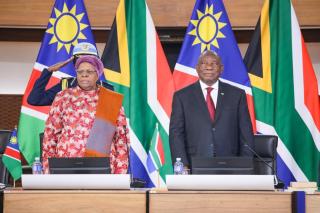

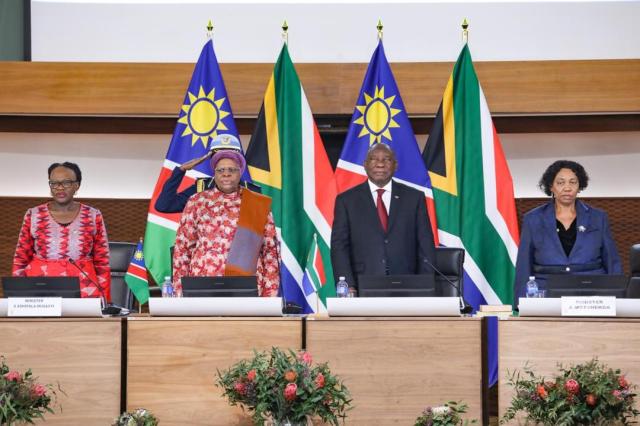
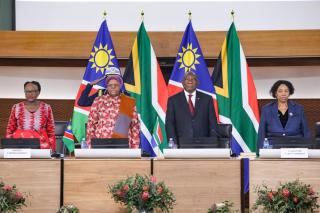
PRETORIA, 17 July 2026 – From left: Namibian Minister of International Relations and Trade, Selma Ashipala-Musavyi; Namibian President Netumbo Nandi-Ndaitwah; South African President Cyril Ramaphosa; and South African Minister of Defence and Military Veterans, Angie Motshekga, pictured at the 4th Session of the South Africa–Namibia Binational Commission in Pretoria on Friday, in Pretoria, South Africa. (Photo: Contributed) NAMPA.
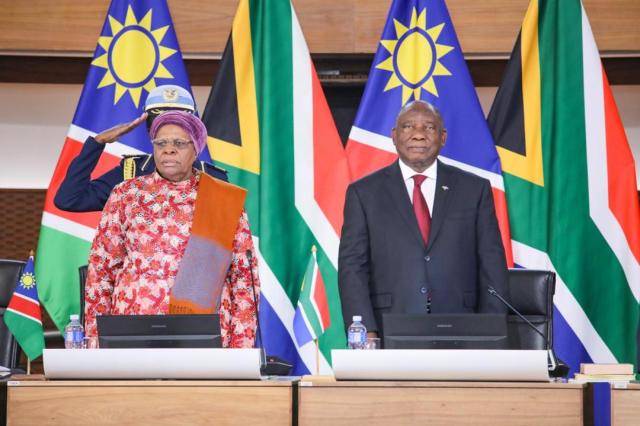
PRETORIA, 17 JULY 2026 – President Cyril Ramaphosa of South Africa and Namibian President Netumbo Nandi-Ndaitwah successfully co-chaired the 4th Session of the South Africa–Namibia Binational Commission (BNC), which took place today, Friday, 17 July, in Pretoria, South Africa. (Photo: Contributed) NAMPA.
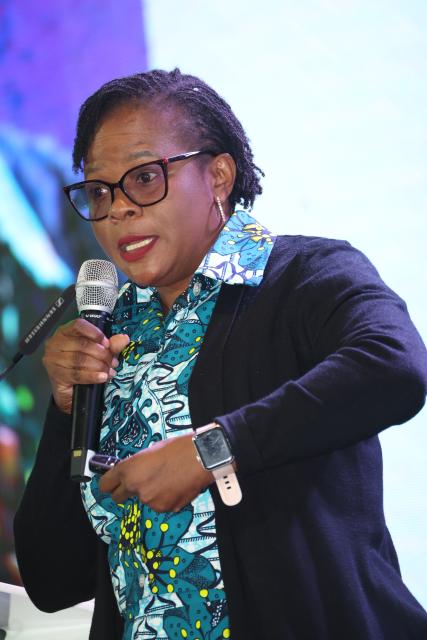
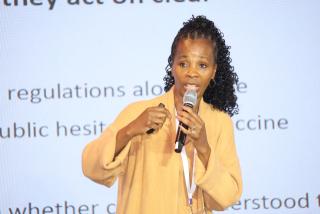
SWAKOPMUND, 17 July 2026 - President of the Zambian Institute of Public Relations and Communication (ZIPRAC) Irene Lungu sharing a Zambian Case Study on Proffesionalising Communication-Building the Namibian Blueprint. (Photo by: MICT)
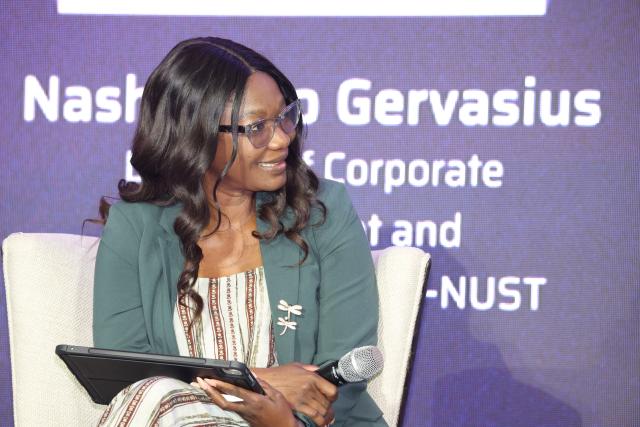
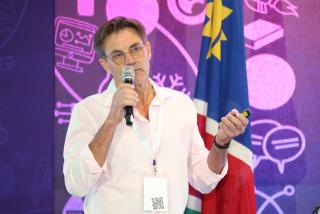
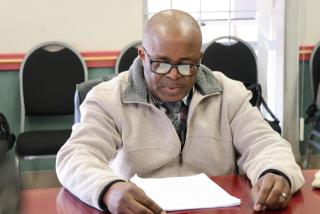
SWAKOPMUND, 17 July 2026 - Director of Corporate Engagement and Internationalisation at the Namibian University of Science and Technology Gervasius Nashilongo. (Photo: MICT)
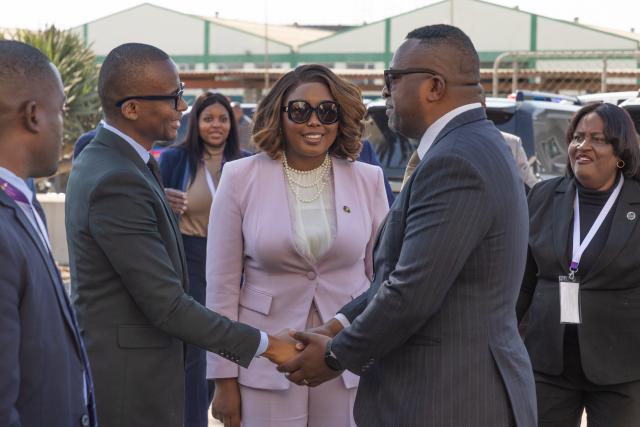
WALVIS BAY, 16 July 2026 - Information and Communication Technology Minister Emma Theofelus looks on as Namibia Ports Authority’s Executive for Commercial Services Elias Mwenyo greets Botswana Vice President Ndaba Gaolathe during his visit to the Botswana Dry port at the port of Walvis Bay. (Photo: MICT)
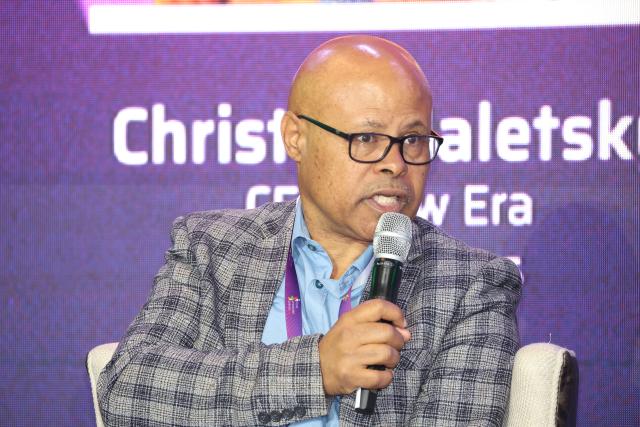
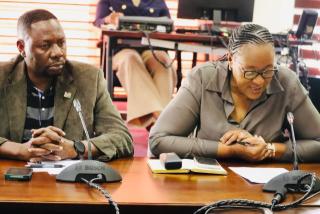
SWAKOPMUND, 17 July 2026 - New Era Publication Corporation Chief Executive Officer Christof Maletsky participates in a panel discussion on Service Delivery and Managing the Narrative at the Effective Communicators Conference (ECC). (Photos: MICT)
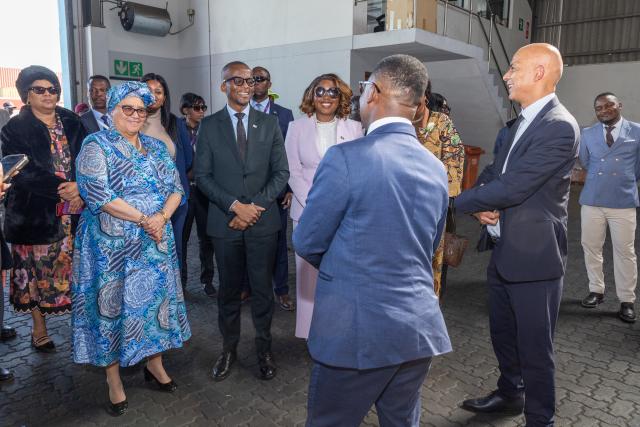
SWAKOPMUND, 16 July 2026 - Vice President Lucia Witbooi, Botswana Vice President Ndaba Gaolathe, Information and Communication Technology Emma Theofelus led a delegation to the Botswana Dry Port and the Walvis Bay Port. (Photo: MICT)
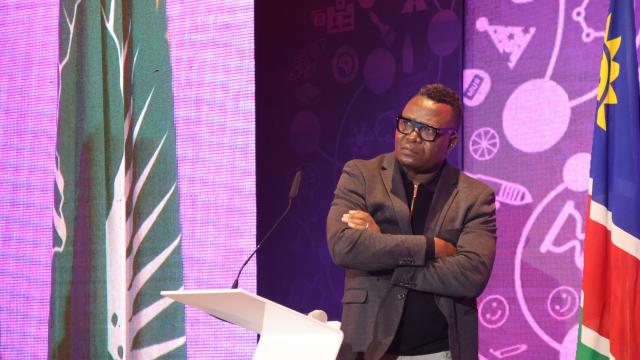
SWAKOPMUND, 16 July 2026 - Namibian Sun Editor in Chief and Chairperson of the Editors’ Forum Toivo Ndjebela on Thursday at the Effective Communicators Conference at Swakopmund. (Photo by: Chelva Wells) NAMPA
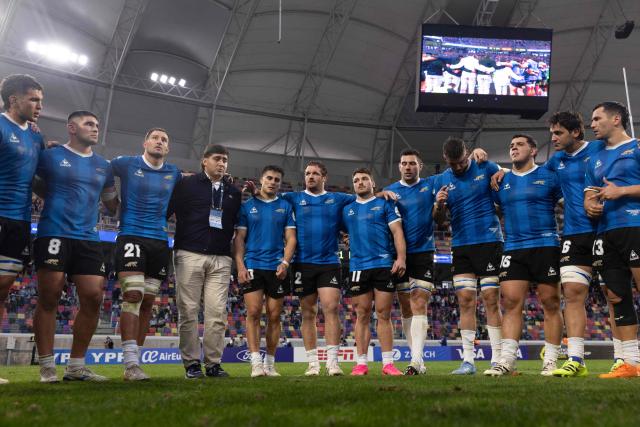
Argentina's hooker Julian Montoya (C) talks to the team during the Rugby Union Nations Championship match between Argentina and England at Unico Madre de Ciudades stadium in Santiago del Estero, Argentina, on July 18, 2026. Argentina players wear a blue jersey as a tribute to the Argentina national football team that defeated England with goals by Diego Maradona at the Mexico 1986 World Cup. (Photo by Juan GASPARINI / AFP)
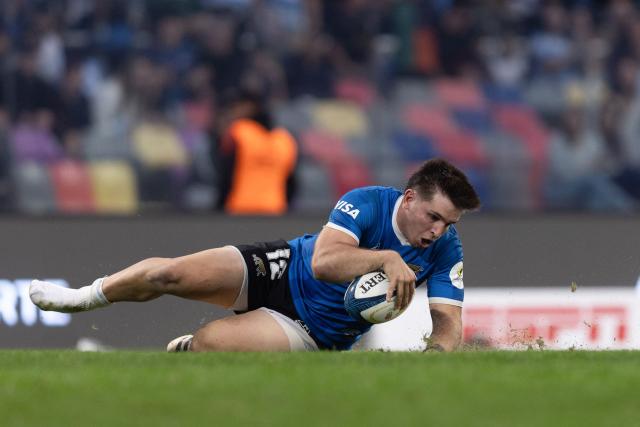
Argentina's centre Justo Piccardo scores a try during the Rugby Union Nations Championship match between Argentina and England at Unico Madre de Ciudades stadium in Santiago del Estero, Argentina, on July 18, 2026. Argentina players wear a blue jersey as a tribute to the Argentina national football team that defeated England with goals by Diego Maradona at the Mexico 1986 World Cup. (Photo by Juan GASPARINI / AFP)
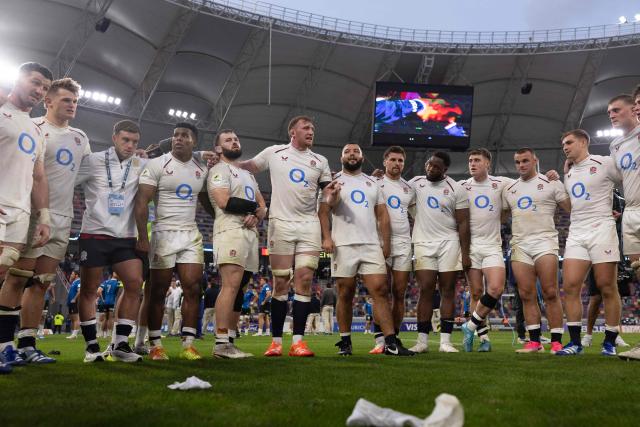
England's lock Ollie Chessum (C) talks to the team during the Rugby Union Nations Championship match between Argentina and England at Unico Madre de Ciudades stadium in Santiago del Estero, Argentina, on July 18, 2026. (Photo by Juan GASPARINI / AFP)
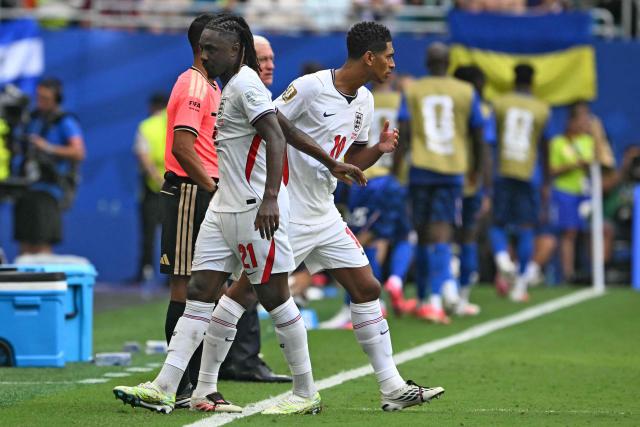
England's midfielder #21 Eberechi Eze leaves the pitch after being substituted by midfielder #10 Jude Bellingham during the 2026 World Cup football tournament third-place match between France and England at the Miami Stadium in Miami on July 18, 2026. (Photo by ROBERTO SCHMIDT / AFP)
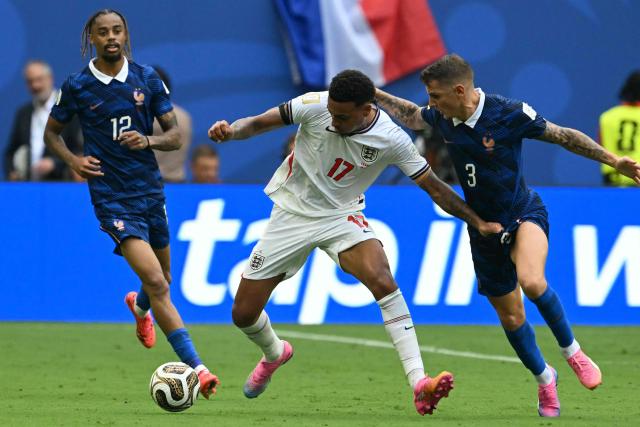
England's midfielder #17 Morgan Rogers and France's defender #03 Lucas Digne fight for the ball during the 2026 World Cup football tournament third-place match between France and England at the Miami Stadium in Miami on July 18, 2026. (Photo by ROBERTO SCHMIDT / AFP)
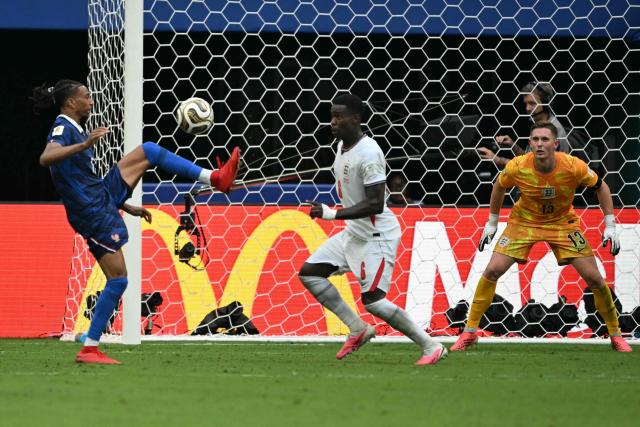
France's forward #11 Michael Olise (L) controls the ball past England's defender #06 Marc Guehi and goalkeeper #13 Dean Henderson during the 2026 World Cup football tournament third-place match between France and England at the Miami Stadium in Miami on July 18, 2026. (Photo by ROBERTO SCHMIDT / AFP)
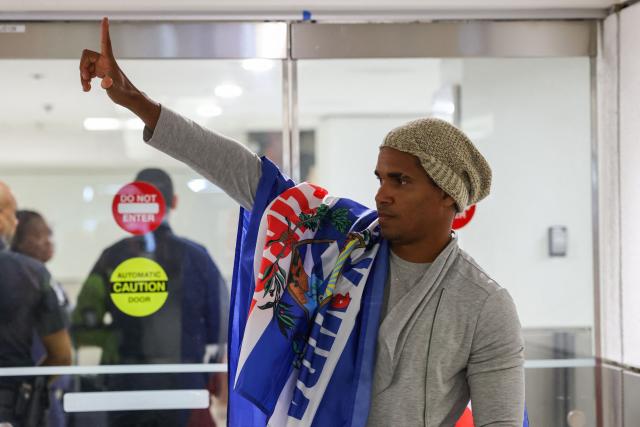
Luis Manuel Otero Alcántara, artist and opponent of the Cuban regime, gestures upon his arrival at Miami International Airport on July 18, 2026. Prominent Cuban dissident artist Luis Manuel Otero Alcantara flew to exile Saturday in the United States after serving a five-year sentence on the island, as Washington urged Havana to release more than 700 political prisoners. (Photo by Giorgio VIERA / AFP)
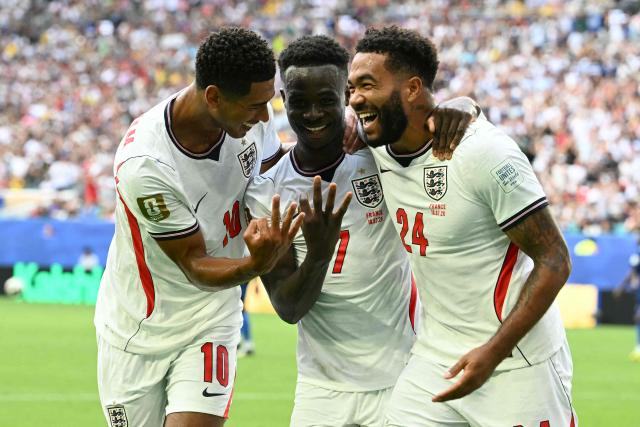
England's forward #07 Bukayo Saka (C) celebrates scoring his team's fifth goal with teammates midfielder #10 Jude Bellingham and defender #24 Reece James during the 2026 World Cup football tournament third-place match between France and England at the Miami Stadium in Miami on July 18, 2026. (Photo by ROBERTO SCHMIDT / AFP)